Last Minute Event Planning: What You Can Still Pull Off for Corporate Events
The Email Every Event Planner Dreads
“Quick update… we need to move the event up by two weeks.”
Or maybe it’s:
“The keynote speaker just canceled.”
Or worse:
“We forgot to book entertainment.”
If you’ve ever been responsible for organizing a corporate event, you already know the feeling. Your stomach drops. Your mind starts racing through timelines, vendors, budgets, and everything that still hasn’t been handled. It can be incredibly stressful, especially with the added stress of last minute changes that can throw even the best plans off track.
And yet, somehow, some of the most successful corporate events come together under intense pressure.
Why?
Because great last minute event planning is less about perfection and more about prioritization, adaptability, and creating experiences people actually remember. As the host, your ability to manage the event, delegate tasks, and reduce stress for yourself and your team is crucial to a smooth outcome.
A rushed timeline does not automatically mean a bad event. In fact, sometimes tight deadlines force teams to focus on what matters most. Having a backup plan and being prepared for last minute changes can make all the difference in keeping things on track.
The truth is, attendees rarely know how chaotic the planning process was behind the scenes. They only remember the final experience. Prioritizing key event objectives and focusing on essential activities, such as securing a venue and finalizing catering, are critical steps to ensure your event’s success.
And with the right strategy, you can still pull off a polished, engaging, high-energy corporate event even when the clock is working against you.
Why Last Minute Event Planning Happens More Often Than People Admit
Corporate events rarely unfold exactly according to plan.
Budgets shift. Leadership changes priorities. Venues fall through. Travel schedules change. Internal approvals get delayed. Clients make sudden requests.
Events often arise on short notice, requiring you to manage specific needs and priorities under a time crunch. Sometimes companies simply realize too late that they need:
Entertainment
Audience engagement
Networking energy
Team-building activities
A stronger event experience
That’s why last minute event planning has quietly become a normal part of the corporate world.
The companies that succeed are not necessarily the ones with the most preparation time. They’re the ones that know how to prepare for these situations, manage expectations through clear communication and delegation, and make fast, strategic decisions under pressure.
The First Rule of Last Minute Event Planning: Stop Trying to Make It Perfect
One of the biggest mistakes people make during fast-turnaround event planning is trying to execute every original idea despite limited time.
That approach usually creates:
Burnout
Budget waste
Vendor confusion
Weak execution
Stress-driven decisions
Instead, successful last-minute planning requires ruthless prioritization. Focusing on one clear goal is essential for success in last minute event planning, as it helps avoid overcomplicating the process and ensures that key objectives are met.
Ask yourself:
What are the attendees actually going to remember?
Usually, it comes down to:
Energy
Entertainment
Atmosphere
Human connection
Flow of the event
Audience engagement
Practical ideas that streamline planning and contribute to the event's success
Not whether every centerpiece matched perfectly.
Not whether the printed signage had foil lettering.
Not whether the appetizer spoons were custom branded.
When time is limited, focus on high-impact elements first.
The Corporate Gala That Almost Fell Apart
A company once planned a large client appreciation gala with hundreds of attendees expected.
Everything seemed under control until one major problem surfaced: their original entertainment canceled less than a week before the event.
Panic spread quickly as the team faced last minute changes. In that crucial moment, everyone involved had to act decisively. The team quickly developed a backup plan, delegating tasks effectively to manage time and resources. This teamwork helped spread the workload and reduce stress.
Leadership worried the event would feel flat. The planning team scrambled for options. Most performers were already booked.
Eventually, they found a corporate entertainer experienced in high-pressure event environments.
Instead of simply “filling time,” the entertainment became one of the strongest parts of the evening.
The performer customized material for the audience, incorporated company messaging, and interacted directly with guests throughout the event.
What attendees remembered afterward wasn’t the planning chaos. It was the experience.
Some guests even assumed the interactive entertainment had been planned months in advance.
That’s one of the hidden truths about last minute event planning: confidence and execution matter far more than perfect preparation timelines.
What You Can Realistically Pull Off at the Last Minute
Many event planners underestimate how much can still be accomplished quickly when priorities are clear. Even when organizing a last minute party, the event can be fun and enjoyable if the group works together and each person is involved in the planning process. Distributing responsibilities for event tasks, such as registration and catering, helps manage limited planning time and ensures a smoother experience for everyone.
Here’s what companies can often still pull off successfully even on compressed timelines.
1. High-Impact Entertainment
Entertainment is often one of the fastest ways to elevate event energy quickly.
Experienced corporate entertainers and caterers are accustomed to:
Tight timelines
Corporate audiences
Flexible formats
Fast customization
High-pressure environments
This makes them ideal for last-minute event upgrades. Be sure to match your entertainment and catering choices to the event's needs and theme for a seamless experience. Opting for simple, crowd-pleasing dishes that require minimal preparation is ideal for last-minute catering solutions, and choosing local food vendors can provide quick, high-quality options.
2. Interactive Audience Experiences
You do not need six months to create audience engagement.
Interactive moments can include:
Live entertainment
Audience participation
Networking activations
Surprise elements
Team-based interactions
Live polling
Branded experiences
Go-to themed events like a taco night or movie night
Choosing a theme, such as a taco night or movie night, can streamline last minute event planning by providing a clear focus for food, décor, and activities, making it easier to create a cohesive and engaging experience, especially when preparing the night before or on short notice.
These create emotional impact quickly.
3. Memorable Event Atmosphere
Lighting, music, pacing, and room energy dramatically shape attendee perception. Creating a welcoming atmosphere is key, use string lights to quickly set a cozy mood and make the most of your available space, whether indoors or outdoors. Consider a garden party theme to take advantage of outdoor space and natural beauty, offering simple food options like cheese boards and wine for a relaxed vibe. When selecting a location, prioritize accessible venues that are easy to book and, if possible, free, such as a local coworking space or a friend's garden, to save time and money while ensuring guests feel comfortable.
Even simple production upgrades can make an event feel intentional and premium.
4. Strong Event Flow
One overlooked part of last minute event planning is event pacing.
A smooth flow matters more than excessive complexity.
Guests remember how the event felt, not how many agenda items existed.
To ensure the event runs smoothly, it's crucial to confirm attendance promptly and gather all the important details, such as catering and seating arrangements. Utilizing digital invitation platforms can help you quickly confirm attendance and finalize all the details needed for a successful event.
The Secret Advantage of Short Timelines
This might sound strange, but compressed planning windows sometimes improve events.
Why?
Because they eliminate unnecessary complexity.
When companies have unlimited time, they often overbuild:
Too many speakers
Overloaded agendas
Excessive presentations
Unnecessary segments
Bloated schedules
Short timelines force clarity. Clear communication and proper time management are crucial for ensuring tasks are completed smoothly and the event is successful. Automating logistics with digital tools can also minimize stress and ensure a smooth event setup, even under tight deadlines.
Teams ask: “What actually matters?”
And often, the answer is surprisingly simple: Create an engaging experience that keeps people energized and connected.
That simplicity can actually improve the final event.
A Last Minute Event Planning Checklist That Actually Works
When time is limited, clarity becomes everything. To help you navigate the rush, here are practical tips for last minute event planning that can simplify your process and boost your confidence.
Creating templates for all aspects of event planning can streamline the process and help you quickly fill in necessary details, making it easier to prioritize tasks effectively. Additionally, utilizing digital invitation platforms allows you to send invitations and track RSVPs quickly, which is especially useful for last-minute events.
Here’s a practical framework for prioritizing effectively.
Focus First on These Five Areas
1. Audience Experience
Ask: What should attendees feel during this event?
Excited? Connected? Inspired? Celebrated?
Set clear expectations for your guests and focus on making the event enjoyable for everyone. That answer should guide every decision.
2. Venue Logistics
Confirm:
Capacity
AV setup
Seating flow
Timing
Load-in access
Food service schedule
Select a location that is accessible, make the most of the available space, and consider free venue options to save on costs.
Operational clarity reduces stress fast.
3. Entertainment and Engagement
This is often the biggest difference between a forgettable corporate event and a memorable one.
Choosing a fun theme for your event can streamline planning by narrowing down decisions for décor, menu, and activities, while also enhancing guest engagement. Make sure to match your entertainment to the event’s objectives and chosen theme to create a lively, enjoyable atmosphere. Interactive experiences keep energy alive.
4. Communication
Fast planning requires overcommunication with:
Vendors
Speakers
Staff
Leadership
Venue teams
It is crucial to set clear expectations with everyone involved and to conduct regular check-ins with your team to ensure tasks are completed efficiently and deadlines are met. Miscommunication becomes more expensive when timelines shrink.
5. Contingency Planning
Always ask: “What’s our backup if this changes tomorrow?”
Because last-minute events often continue evolving until the event itself, it’s essential to always have a backup plan ready for any last minute changes. Don’t be afraid to make quick decisions or adjust your approach, being proactive and confident ensures the event stays on track no matter what arises.
Why Entertainment Matters Even More During Last Minute Events
When events are rushed, entertainment becomes incredibly valuable because it stabilizes energy.
Think about what happens at many quickly assembled corporate events:
Guests feel uncertain
Networking feels awkward
Energy dips between segments
Audiences disengage
Interactive entertainment helps solve those problems immediately. Involving caterers to provide engaging food presentations or themed menu stations, and enlisting friends to help organize group activities or interactive games, can make the event more memorable and engaging for everyone.
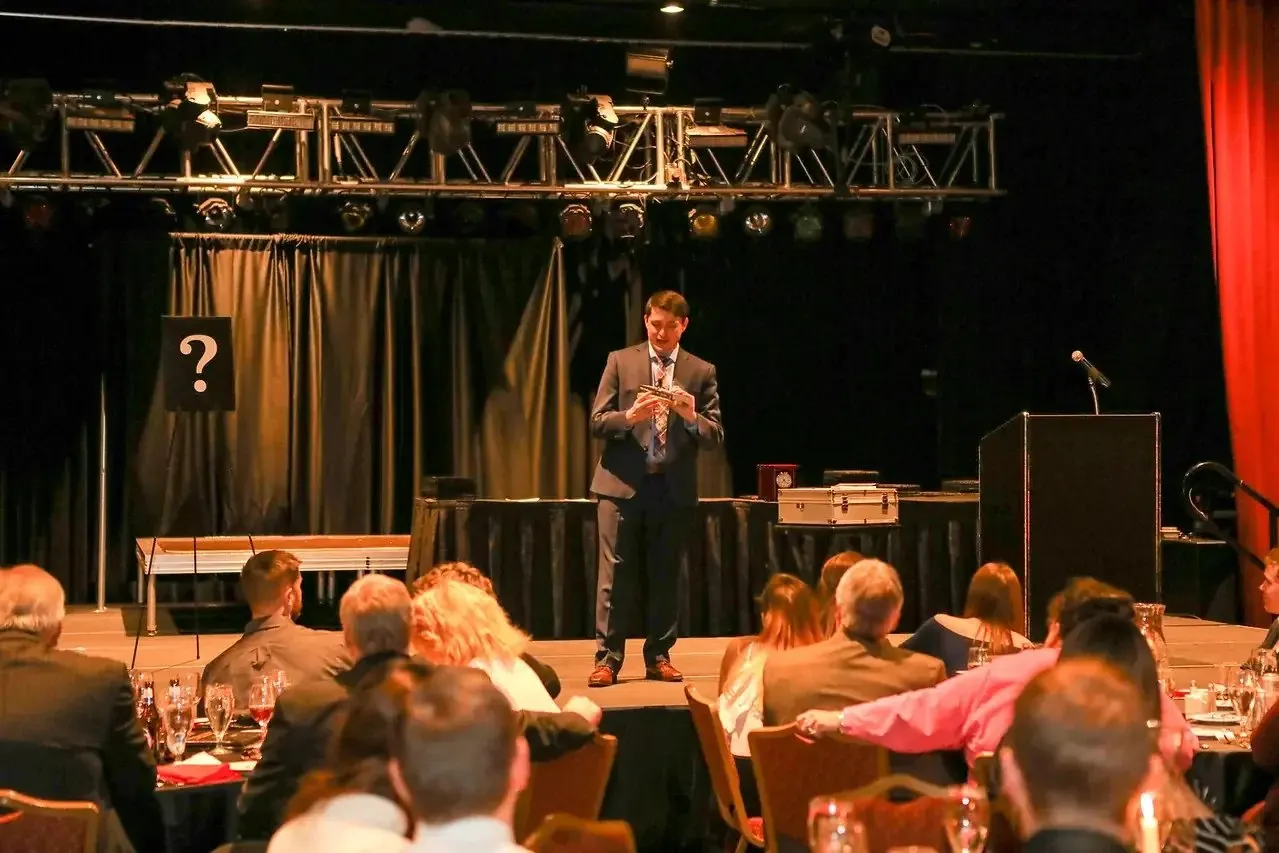
This is especially true for corporate magicians and emcees who specialize in business audiences.
A professional corporate entertainer can:
Reset audience attention
Create emotional connection
Encourage networking
Break social tension
Fill unexpected downtime
Smooth transitions between segments
In many cases, great entertainment becomes the glue holding the entire event experience together.
The Biggest Mistakes in Last Minute Event Planning
Fast planning does not automatically create failure.
Poor prioritization does.
Here are some common mistakes companies make under pressure.
Trying to Do Too Much
Simpler events executed well outperform overcomplicated events executed poorly.
Ignoring Audience Psychology
People remember emotional engagement more than operational details.
Underestimating Energy Management
Long stretches of passive presentations drain rooms quickly.
Choosing Vendors Based Only on Availability
The cheapest or fastest option is not always the safest choice.
Experienced corporate professionals matter even more when timelines shrink.
Forgetting the Human Experience
Attendees care less about perfection than planners think.
Most guests simply want:
Good energy
Clear flow
Meaningful interaction
Memorable moments
FAQ: Last Minute Event Planning for Corporate Events
Is it possible to plan a successful corporate event quickly?
Yes. Many successful corporate events come together on compressed timelines. Prioritization, communication, and experienced vendors are the biggest factors.
What is most important during last minute event planning?
Audience experience should remain the top priority. Focus on engagement, event flow, entertainment, and clear logistics.
How can you make a rushed event still feel high-end?
Strong lighting, polished entertainment, confident pacing, and smooth coordination can dramatically improve perceived event quality.
What type of entertainment works best for corporate events?
Interactive entertainment often works best because it actively engages guests rather than forcing passive observation.
Corporate magicians, emcees, and audience-interactive performers are especially effective for networking-heavy events and galas.
How late is too late to book entertainment?
It depends on the performer and schedule availability, but many experienced corporate entertainers are accustomed to handling fast-turnaround bookings.
The Real Goal Is Not Perfection. It’s Momentum.
Here’s something experienced event professionals understand:
Guests rarely notice small imperfections.
They notice:
Dead energy
Awkward transitions
Disengaged audiences
Long downtime
Lack of excitement
Momentum matters far more than microscopic details.
An event with strong pacing and emotional engagement can overcome all kinds of behind-the-scenes chaos.
That’s especially important during last minute event planning, where adaptability becomes more valuable than rigid perfectionism.
What Attendees Actually Remember
Weeks after a corporate event, attendees usually remember surprisingly few details.
They remember:
How the room felt
Whether they enjoyed themselves
Whether conversations felt natural
Whether the event felt exciting
Whether they were emotionally engaged
They remember moments.
That’s why experiential elements matter so much during fast-turnaround planning.
A single memorable interaction can completely reshape someone’s perception of the entire event.
One Question That Can Simplify Every Planning Decision
Whenever you feel overwhelmed during event planning, ask this:
“Will this meaningfully improve the guest experience?”
If the answer is no, it may not deserve urgent attention.
This question helps eliminate:
Unnecessary complexity
Cosmetic distractions
Low-impact tasks
Time-consuming details
And it redirects focus toward the elements that actually shape attendee memory.
Why Corporate Events Still Matter So Much
In a world dominated by Zoom calls, Slack notifications, and digital overload, live experiences have become more valuable than ever.
People crave:
Human interaction
Shared experiences
Energy
Surprise
Connection
That’s why even rushed corporate events can create enormous value when designed correctly.
A great event builds relationships faster than months of emails ever could.
And when companies successfully create memorable live experiences under pressure, it leaves an even stronger impression.
Final Thoughts: You Can Still Pull Off Something Incredible
If you’re currently staring at a rapidly approaching event date wondering how everything will come together, take a breath.
You do not need perfection to create impact.
Some of the best corporate events happen because teams stay flexible, focus on the audience experience, and prioritize emotional engagement over unnecessary complexity.
The goal of last minute event planning is not to pretend the timeline isn’t tight. It’s also important to leave some wiggle room in your budget for last-minute expenses to avoid running out of money and jeopardizing the event’s success. Remember, last minute event planning is a premium service and should be priced accordingly, ensure you are paid in advance for these bookings to protect your business and convey your value.
The goal is to create an event so engaging that nobody in the audience ever realizes it was.
And with the right strategy, energy, and entertainment, that is absolutely possible.