
Corporate Entertainment vs Regular Shows: Why the Difference Matters More Than You Think
Corporate Entertainment vs Regular Shows: Why the Difference Matters More Than You Think
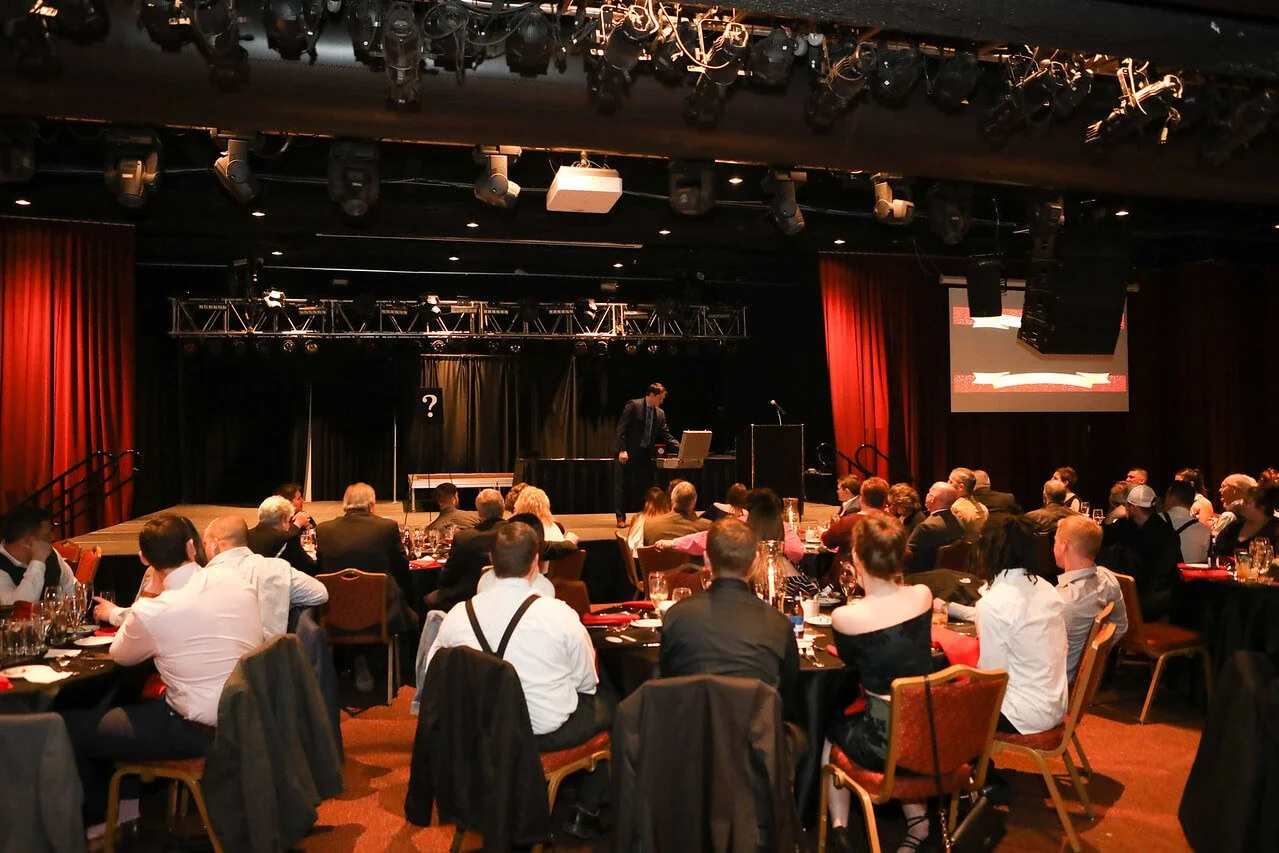
Imagine two very different stages.
On one stage, a performer feeds off loud reactions, shock, and applause. The goal is simple: entertain as boldly as possible.
On the other stage, the performer steps into a ballroom filled with executives, clients, stakeholders, and leadership teams. The energy is controlled. The expectations are higher. The audience is more diverse, more analytical, and far less forgiving.
Both are shows. But only one is corporate entertainment.
Understanding the difference between corporate entertainment vs regular shows is critical if you want your event to succeed, not just entertain. Event entertainment is a key element in both corporate and regular shows, playing a vital role in attendee engagement and the overall success of the event.
Let’s break it down.
Planning event entertainment for corporate events involves many moving parts, from technology and food to entertainment, all of which must align with the event's goals to ensure a seamless and impactful experience.
The Question Every Event Planner Should Ask
Before booking any entertainer, ask this one question:
Is this designed specifically for a corporate audience, or is it just general entertainment?
That single question separates polished, successful corporate events from uncomfortable ones.
Selecting the right act is crucial for ensuring the entertainment aligns with the event's objectives. Corporate entertainment is not about chasing the biggest reaction. It is about engaging everyone in the room while supporting the purpose of the event.
What Is Corporate Entertainment?
Corporate entertainment is a specialized form of live performance created specifically for business environments and professional audiences. Corporate event entertainment is a key part of the event planning process, as it helps engage attendees, set the tone, and create memorable experiences tailored to corporate objectives.
Effective corporate entertainment must:
Align with brand image and company culture
Appeal to multiple age groups and backgrounds
Support the goals of the event
Avoid offensive or polarizing material
Adapt to changing schedules and venues
The process of selecting and coordinating corporate event entertainment involves a structured approach, including identifying event objectives, evaluating suitable acts, and managing logistics to ensure a seamless experience.
Regular shows are usually designed for:
Ticket-buying audiences
A single target demographic
Fixed stages and technical setups
Maximum creative freedom
That difference shapes everything about the performance.
Corporate Entertainment vs Regular Shows: The Core Differences
1. The Audience Is Fundamentally Different
In regular shows, the audience chooses to attend and expects a specific style of entertainment.
At corporate events:
Guests attend for work, networking, or obligation
Some guests are introverted or reserved
Some hold leadership or client-facing roles
Participation must feel optional, not forced
Engaging the crowd at corporate events is handled with more sensitivity, ensuring that crowd interaction is inclusive and comfortable, unlike regular shows where crowd participation is often more direct and expected.
Corporate entertainment invites engagement respectfully instead of demanding attention.
2. The Goals Are Not the Same
Regular shows focus on:
Entertainment
Shock value
Creative freedom
Standing out at all costs
Corporate entertainment focuses on:
Enhancing the event experience
Creating shared moments
Encouraging connection
Maintaining professionalism
Supporting business objectives
If entertainment distracts from the purpose of the event, it becomes a liability.
Aligning entertainment with the event's purpose is essential for the success of a corporate event, as it ensures attendee engagement and helps achieve the desired objectives.
3. Corporate Entertainment Must Be Brand-Safe
This is where many regular performers struggle.
In corporate environments:
Humor must be inclusive
Language must remain clean
Content must suit mixed audiences
Nothing can alienate leadership or clients
What works in a comedy club or public theater often fails in a corporate ballroom.
Brand-safe entertainment plays an important role in maintaining a professional corporate image.
Creating Memorable Experiences
Creating memorable experiences is at the heart of every successful corporate event. The right entertainment doesn’t just fill time. It leaves a lasting impression on your guests and reinforces your company culture. When planning corporate entertainment, it’s essential to consider the event’s theme, objectives, and the unique audience demographics you’re bringing together. This ensures that every element, from live performances to interactive activities, aligns with your business goals and creates genuine guest engagement.
Live music, clean comedians, and variety acts are popular choices for corporate settings, as they can be tailored to suit a wide range of tastes and backgrounds. These performances help break the ice, encourage networking, and set a positive tone for the event. For companies looking to boost team spirit, team building activities like game shows, escape rooms, or scavenger hunts can transform a standard gathering into a fun, collaborative experience. These activities not only entertain but also strengthen relationships among employees, which can have a lasting impact on your business.
Interactive entertainment options such as photo booths, dueling pianos, or even motivational speakers are increasingly popular at corporate events. They invite participation, spark conversation, and create memorable moments that attendees will talk about long after the event ends. A well-timed cocktail hour with engaging entertainment can also provide a relaxed atmosphere for guests to connect and unwind, further enhancing the overall event experience.
When selecting entertainment options, it’s important to match the act to your specific audience and the event’s goals. For example, a product launch might call for high-energy live music or a dynamic game show to generate excitement, while a conference may benefit from more informative or inspirational performances. By choosing entertainment that fits the occasion, you ensure that your event stands out and delivers real value to your attendees.
In recent years, there’s been a noticeable shift toward more immersive and participatory entertainment at corporate events. Acts like dueling pianos or interactive comedy encourage audience involvement and help create a sense of community among guests. These experiences not only make your event more memorable but also foster stronger connections between participants.
Ultimately, creating memorable experiences at corporate events comes down to thoughtful planning and a clear understanding of your audience. By selecting the right entertainment that reflects your company’s values and objectives, you can create an event that is not only enjoyable but also leaves a positive, lasting impression on everyone involved whether it’s a holiday party, conference, or product launch. The right entertainment transforms an ordinary gathering into an unforgettable occasion, helping your company stand out and succeed.
A Real-World Example
A company once booked an entertainer they loved at a public show. The performer was funny, edgy, and confident.
At the corporate event, the same material was used.
Some guests laughed. Others felt uncomfortable. A few executives quietly left the room.
The following year, the company hired a performer who specialized in corporate entertainment. The performance was polished, interactive, and professional. By providing entertainment tailored to the corporate environment, the event created a relaxed and engaging atmosphere where guests felt comfortable and involved. Guests stayed engaged and feedback was overwhelmingly positive.
Same audience. Same company. Different understanding of corporate entertainment vs regular shows.
Why Adaptability Matters in Corporate Entertainment
Corporate events are rarely predictable.
Schedules change
Speakers run long
AV setups shift
Audience energy fluctuates
Professional corporate entertainers know how to:
Shorten or extend performances smoothly
Adjust tone in real time
Coordinate with planners behind the scenes
Perform in unconventional spaces
Most regular shows never require this level of flexibility.
Where Corporate Entertainment Is Used
Corporate entertainment appears in environments where general performers often lack experience:
Conferences
Corporate galas
Fundraisers
Product launches
Awards ceremonies
Client appreciation events
Private events
Trade shows
Holiday parties
These settings require an understanding of:
Corporate etiquette
Event flow
Business priorities
This distinction is often overlooked when comparing corporate entertainment vs regular shows.
How to Identify True Corporate Entertainment
Use this checklist when evaluating performers.
A professional corporate entertainer will:
Have experience with business audiences
Communicate confidently with planners and executives
Understand brand representation
Customize content for the event
Engage guests without embarrassment
Provide testimonials from corporate clients
If these elements are missing, the performer is likely suited for regular shows, not corporate events.
Be sure to use this checklist when planning entertainment for your next corporate event to ensure a memorable and engaging experience for your attendees.
Why Corporate Magic Stands Apart
Magic highlights the difference between corporate entertainment and regular shows clearly.
In public shows, magic may rely on:
Flashy visuals
Aggressive audience interaction
Shock-based moments
In corporate settings, professional corporate magic becomes:
Interactive but respectful
Clever rather than confusing
Engaging without disrupting the event
A corporate magician understands how to read the room instantly and keep leadership comfortable. While a live band is a classic choice for creating an engaging atmosphere and enhancing the attendee experience at corporate events, a corporate magician offers a unique, interactive approach that can be tailored to fit the event's brand and audience.
When Regular Shows Hurt Corporate Events
Placing a regular show performer into a corporate environment without adjustment can lead to:
Guest discomfort
Leadership disengagement
Brand image damage
A disjointed event experience
Using the wrong type of entertainment can also disrupt other aspects of the event, such as team building or networking.
Entertainment should elevate a business event, not create awkward moments.
FAQs About Corporate Entertainment vs Regular Shows
What is the biggest difference between corporate entertainment and regular shows?Corporate entertainment supports business goals and diverse audiences, while regular shows focus purely on entertainment.
Can regular performers adapt to corporate events?Some can, but only with an understanding of corporate etiquette, brand safety, and audience dynamics.
Is corporate entertainment more expensive?Not necessarily. Pricing reflects experience, customization, and professionalism. The key is to select entertainment that offers the best value—balancing cost with the quality and impact needed to maximize your event’s success.
Why do companies choose corporate magicians?They provide engagement, flexibility, and professionalism without risk.
Why This Difference Protects Your Event
When planners understand corporate entertainment vs regular shows, they avoid:
Booking based on popularity instead of fit
Assuming all entertainment translates equally
Ignoring brand alignment
The result is smoother events, stronger engagement, and better outcomes. The right entertainment also encourages networking and strengthens connections among attendees.
Final Thought
If your CEO, your biggest client, and your newest team member were all in the same room, would the entertainment work for all three?
If the answer is not a confident yes, the entertainment choice needs reconsideration.
Corporate Entertainment Done Right
Corporate entertainment is not about doing more. It is about doing what fits the audience, the brand, and the event.
Performers who thrive in corporate environments understand business culture, event dynamics, and audience psychology.
That is why corporate entertainment is its own category, not a softer version of regular shows.
The right corporate entertainment creates lasting memories for attendees, making the event truly stand out.
Looking for Corporate Entertainment That Understands the Difference?
If you are planning an event and want entertainment designed specifically for business audiences, consider working with Josh Weidner.
Josh is a nationally touring professional magician who specializes in corporate entertainment for events and galas. His performances are crafted to engage, impress, and elevate events without awkward moments or risk.
Reach out to connect with Josh Weidner if you are looking for a professional corporate magician who understands what corporate entertainment truly requires.
