
Corporate Event Entertainment Mistakes to Avoid (And How to Get It Right the First Time)
Corporate Event Entertainment Mistakes to Avoid (And How to Get It Right the First Time)
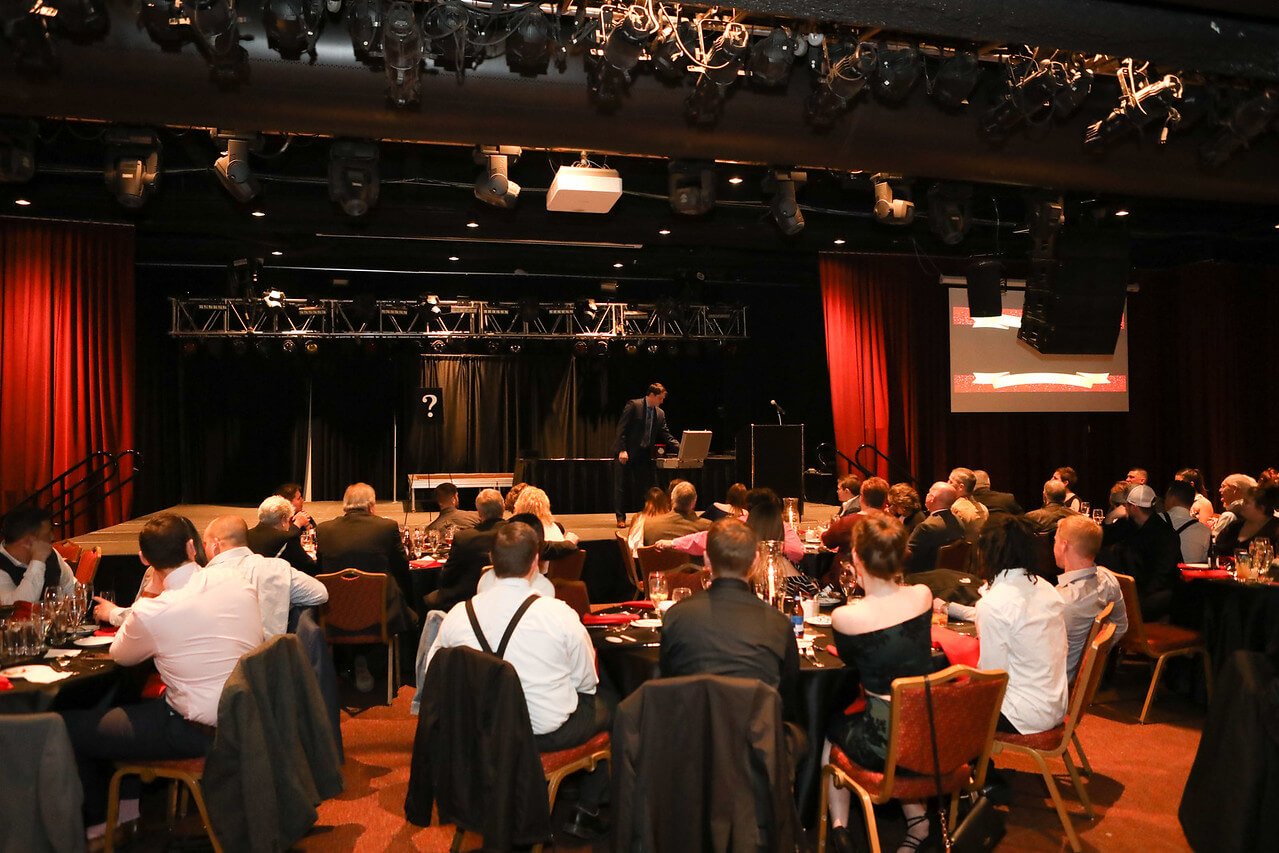
It starts with good intentions.
You want your corporate event to be memorable. You want people engaged. You want energy in the room. So you book entertainment and assume the rest will take care of itself.
Then the event happens.
The entertainment feels awkward. Half the room is disengaged. The vibe is off. And afterward, no one mentions the entertainment at all, which might be worse than them complaining about it.
Corporate event entertainment can elevate an event or quietly undermine it. The difference usually comes down to a handful of avoidable mistakes.
In this guide, we’ll walk through the most common corporate event entertainment mistakes, why they happen, and how to avoid them so your next event feels intentional, professional, and unforgettable.
And as you read, consider this question:
Are you choosing entertainment because it sounds fun, or because it actually serves your audience and your event goals?
Why Corporate Event Entertainment Mistakes Happen So Often
Corporate events live at the intersection of branding, logistics, and human psychology. Entertainment decisions are often made late in the planning process, sometimes by committee, and usually under time pressure.
Planning corporate events requires setting clear objectives from the outset to guide entertainment decisions and avoid confusion.
This is where mistakes creep in.
Unlike private parties, corporate event entertainment must:
Appeal to diverse audiences
Reflect brand values
Respect professional boundaries
Support the event’s purpose, which is why defining clear objectives is essential to ensure the entertainment aligns with and enhances the event’s goals.
When entertainment is treated as an afterthought, problems follow.
Mistake #1: Booking Entertainment Before Defining the Event’s Purpose
One of the most common corporate event entertainment mistakes is skipping a simple question:
Why does this event exist?
Is it a:
Networking event?
Client appreciation gala?
Sales kickoff?
Conference?
Awards night?
Fundraiser?
Defining measurable goals for your event helps ensure the entertainment you choose directly contributes to the event's success.
Each purpose demands a different kind of entertainment.
Why this mistake matters
Entertainment that doesn’t align with the event’s goal feels random. It can distract instead of enhance.
For example:
Loud, high-energy entertainment at a networking event can kill conversation.
Passive background entertainment at a sales kickoff can drain momentum.
Over-the-top comedy at a formal gala can feel off-brand.
Entertainment should support the objective, not compete with it. The right entertainment choice, with a clear focus on the event’s objectives and audience experience, can significantly enhance the overall impact and ensure your brand presence remains consistent and engaging.
A Real-World Story: When “Cool” Was the Wrong Choice
A company once booked entertainment they thought was trendy and edgy. The act was talented, but the content leaned sarcastic and irreverent.
The audience? Senior executives, long-term clients, and partners.
The room reacted politely, but the energy never quite recovered. Conversations afterward focused on discomfort rather than connection.
The following year, the same company chose corporate event entertainment designed specifically for business audiences. This time, the entertainment was selected with audience expectations and guests preferences in mind, leading to better engagement. Interactive, polished, and adaptable.
The difference was immediate. Engagement increased. Feedback improved. Guests stayed longer.
Same company. Same event. Different approach.
Mistake #2: Ignoring the Audience Demographics
Another major corporate event entertainment mistake is assuming everyone in the room wants the same thing.
Corporate audiences are rarely homogeneous. They vary by:
Age
Culture
Professional role
Comfort level with participation
Expectations of formality
Understanding and catering to the audience's preferences is crucial when selecting entertainment, as it ensures the event resonates with attendees and maximizes engagement.
Why this mistake matters
Entertainment that appeals strongly to one group can alienate another.
Good corporate event entertainment:
Invites participation, not pressure
Avoids embarrassing or spotlighting guests
Adapts to different comfort levels
Keeps content inclusive and respectful
Professional entertainers who specialize in corporate events understand this nuance. General entertainers often do not.
Mistake #3: Choosing Entertainment That’s Too Passive or Too Aggressive
There’s a delicate balance in corporate event entertainment.
Too passive, and guests disengage. Too aggressive, and guests feel uncomfortable. The performance should be tailored to match the event’s energy and objectives, ensuring it aligns with audience expectations and delivers a seamless experience.
Examples of imbalance:
Background music that fades into irrelevance
Stage acts that demand attention at the wrong time
Performers who force participation
Entertainment that interrupts key moments
The best entertainment works with the flow of the event.
Where Corporate Event Entertainment Fits Best (And Where It Doesn’t)
Placement is everything.
Here’s where entertainment often works best:
During cocktail hour to spark conversation
Between long agenda blocks to re-energize attention
As a highlight for the evening, when guests are most engaged and looking for memorable experiences
As a closing feature to leave a strong final impression
And where it often fails:
During key speeches
In the middle of networking-heavy segments
When guests are eating or transitioning
Entertainment should feel like a natural part of the experience, not an interruption.
Mistake #4: Hiring Someone Without Corporate Experience
This is one of the costliest corporate event entertainment mistakes.
Not all talented performers are suited for corporate environments. Hiring someone without corporate experience can create added stress for event planners, as they may need to manage unexpected issues and take on extra responsibilities to ensure the event runs smoothly.
Corporate-specific skills matter:
Understanding professional etiquette
Reading a room quickly
Adapting tone in real time
Working with AV teams and event planners
Respecting brand and audience boundaries
Someone who excels at private parties or public shows may struggle in a corporate setting.
Always ask:
Do you specialize in corporate events?
Can you customize content?
Can you adjust if timelines change?
Mistake #5: Prioritizing Price Over Fit
Budget matters. But value matters more.
While it’s tempting to save money by cutting costs, this can compromise the quality and professionalism of your entertainment.
Choosing the cheapest option often leads to:
Generic performances
Lack of customization
Poor adaptability
Increased stress on event organizers
To make an informed and cost-effective decision, compare pricing among entertainers to ensure you’re getting the best value and fit for your event.
Corporate event entertainment should be viewed as an investment in the guest experience, not a line item to minimize.
A better question than “What’s the cheapest option?” is:
Which option delivers the most impact for this specific audience and event?
Establishing a clear budget early in the planning process helps prevent overspending and ensures all event needs are properly met.
A Quick Checklist to Avoid Corporate Event Entertainment Mistakes
Before booking, ask yourself:
⬜ What is the primary goal of the event?
⬜ Who will be in the room?
⬜ Does the entertainment align with our brand?
⬜ Is it appropriate for all guests?
⬜ Can it adapt to changes in timing or audience energy?
⬜ Does the entertainer have corporate experience?
⬜ Did you double check all entertainer requirements and event logistics?
If you can’t confidently check every box, reconsider.
Mistake #6: Forgetting About Customization
Corporate audiences expect relevance.
Entertainment that acknowledges:
The company
The industry
The event theme
The audience
will always outperform generic acts.
Customization doesn’t mean turning entertainment into a sales pitch. It means making it feel intentional and thoughtful.
This is where experienced corporate entertainers stand out.
Creating a Backup Plan for Event Entertainment
Even the most meticulously planned corporate event can face unexpected challenges. That’s why having a solid backup plan for your event entertainment is a top priority in corporate event planning. Last-minute cancellations, technical glitches, or sudden weather changes can quickly spiral into unnecessary stress and threaten your event’s success.
Smart event planners always identify potential risks early in the planning process. Consider what could go wrong: a performer calls in sick, AV equipment fails, or an outdoor event is suddenly rained out. By preparing clear, actionable solutions, like booking a secondary performer, securing an indoor venue as a backup, or having contingency plans for AV equipment, you can keep your event running smoothly no matter what happens.
A well-thought-out backup plan not only protects your investment but also ensures your guests enjoy a seamless, memorable experience. By prioritizing backup planning, you avoid common mistakes and create an event that feels professional and well-managed, even when the unexpected occurs. Remember, the best corporate events are those where guests never notice a hiccup—because you were ready for anything.
Effective Communication with Entertainers and Stakeholders
Clear communication is the backbone of successful corporate event planning. When working with entertainers and stakeholders, event planners must ensure everyone is aligned from the very beginning. This means providing entertainers with detailed information about the event, including the audience profile, venue specifics, and any technical requirements well in advance.
Regular updates and open lines of communication with all stakeholders, clients, vendors, and internal teams, help prevent common pitfalls like misunderstandings about entertainment content or last-minute technical surprises. Addressing questions and concerns early in the planning process allows for quick problem-solving and keeps the event on track.
By prioritizing clear communication, event planners build strong relationships with both entertainers and stakeholders. This not only reduces stress but also helps create a memorable experience for everyone involved. When everyone knows what to expect, the event runs smoothly, the entertainment fits perfectly, and the event’s success is virtually guaranteed.
Maximizing ROI from Your Corporate Event Entertainment
Corporate event entertainment is an investment, one that can pay off in lasting impressions, stronger client relationships, and a more successful event overall. To maximize ROI, event planners should make entertainment choices that align with the company’s goals and objectives, as well as the preferences of the target audience.
Start by considering what you want to achieve: Are you aiming to boost employee morale, impress clients, or celebrate a milestone? Select entertainment that resonates with your audience and supports these objectives. When guests feel engaged and valued, your event leaves a memorable impression that extends far beyond the night itself.
Don’t overlook the long-term benefits of great corporate entertainment. A well-chosen act can help build client relationships, reinforce company culture, and even enhance your brand’s reputation. Avoid common mistakes like rushed decisions or poor budget planning. These can undermine your ROI and the event’s overall impact.
By focusing on strategic planning and thoughtful entertainment choices, event planners can create a successful event that delivers measurable results and lasting value for the company.
Frequently Asked Questions About Corporate Event Entertainment Mistakes
What is the biggest corporate event entertainment mistake?
Failing to consider the audience. Entertainment should serve the people in the room, not just the planner’s personal taste.
Is interactive entertainment risky?
Only when handled poorly. Professional corporate entertainers know how to engage without pressure or embarrassment.
Can entertainment hurt brand perception?
Yes. Entertainment that feels inappropriate or off-brand can undermine credibility.
How early should entertainment be booked?
Ideally, you should start early and book three to six months in advance, especially for experienced corporate performers. Popular entertainers and the best entertainers often book up quickly, so starting early is essential to secure your preferred choice.
Is corporate magic appropriate for formal events?
When performed by a professional who specializes in corporate audiences, it can be one of the most effective options.
Why Corporate Magicians Are Often a Smart Choice
Many planners are surprised to learn how effective a professional corporate magician can be.
Modern corporate magic:
Is designed for adult, professional audiences
Encourages interaction without awkwardness
Works across cultures and age groups
Fits seamlessly into different event formats
Creates shared moments that spark conversation
A skilled corporate magician can create lasting memories for attendees, making your event more impactful and memorable.
This versatility is why corporate magicians are frequently chosen for conferences, galas, and executive events.
The Real Cost of Getting Entertainment Wrong
When corporate event entertainment fails, the cost isn’t just financial.
It shows up as:
Lost engagement
Missed networking opportunities
Weakened brand perception
Lower event ROI
Poor post-event feedback
The impact of your entertainment choices can be felt long after the event ends, shaping attendee perceptions and influencing their future engagement.
Avoiding corporate event entertainment mistakes protects the overall success of your event.
Bringing It All Together
Corporate event entertainment isn’t about being flashy. It’s about being intentional.
When you:
Define your purpose
Understand your audience
Choose experienced professionals
Prioritize fit over trend
Plan placement thoughtfully
you avoid the most common corporate event entertainment mistakes and create experiences people actually remember. Intentional entertainment planning also helps ensure your event leaves a lasting impression on attendees.
So before you book, pause and ask:
Does this entertainment support the experience we want guests to have?
If the answer is yes, you’re on the right track.

Ready to Avoid These Corporate Event Entertainment Mistakes?
If you’re planning a corporate event, gala, or conference and want entertainment that is professional, engaging, and tailored for business audiences, consider working with Josh Weidner, a nationally touring corporate magician specializing in events and galas. The right entertainment can engage attendees and employees, reinforcing company values and making your event truly memorable.
Josh’s approach combines interaction, polish, and adaptability, helping planners avoid common pitfalls while creating memorable experiences for guests. Whether it’s a holiday party, product launch, or any other corporate gathering, tailored entertainment ensures your event stands out and aligns with your organization’s goals.
Reach out today to connect with Josh Weidner and explore how the right corporate magician can elevate your next event.
