
Event Planning Mistakes: What Clients Regret After Their Corporate Event (And How to Avoid It)
Event Planning Mistakes: What Clients Regret After Their Corporate Event (And How to Avoid It)
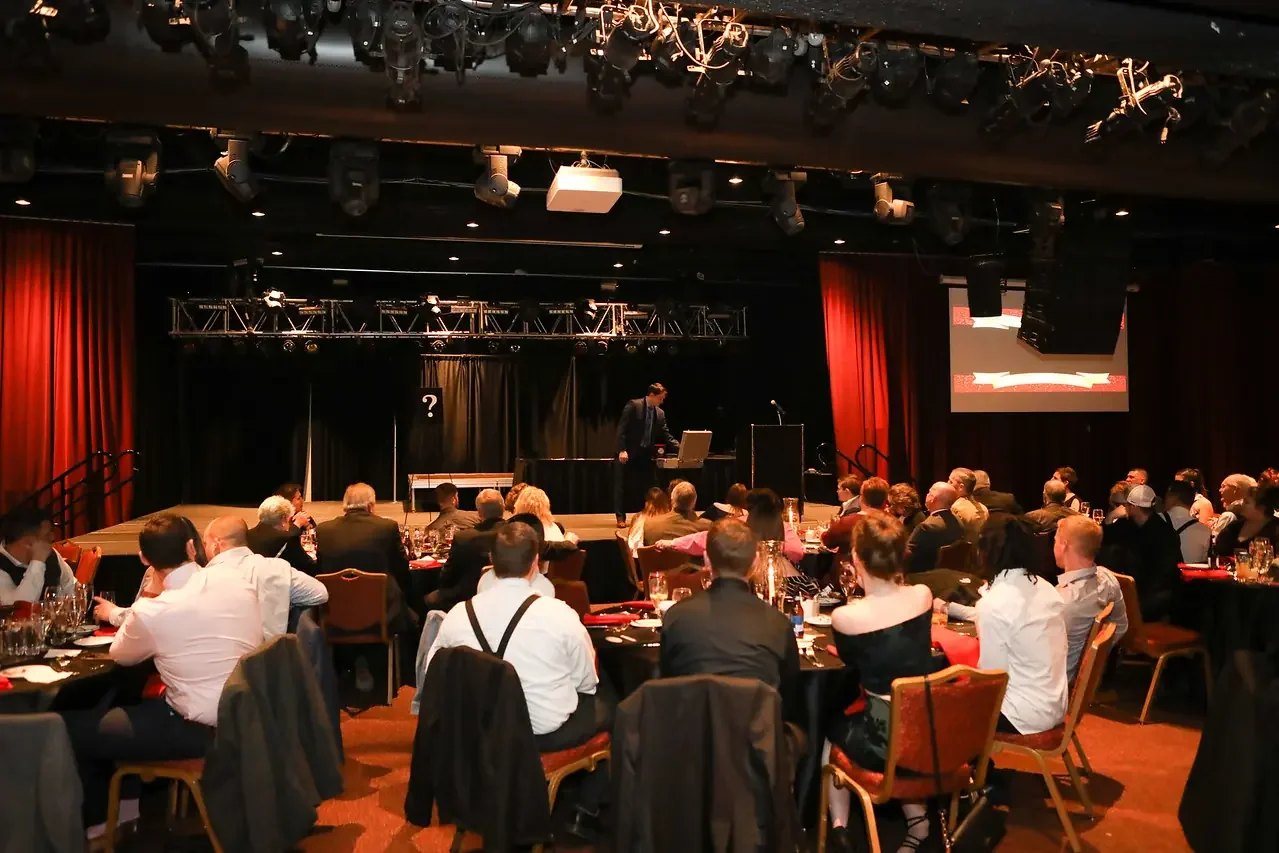
Corporate events are expensive.
Not just financially, either.
When a company hosts a gala, appreciation dinner, fundraiser, holiday party, conference, or client event, they are investing in relationships, company culture, reputation, morale, and brand perception all at once. One successful night can strengthen partnerships and deepen loyalty. One forgettable night can quietly damage momentum.
And here’s the surprising part:
Most event planners do not regret the things they expected to regret.
Rarely does someone walk away saying, “I wish the table linens were a different shade of navy.” But they absolutely remember when guests looked bored, conversations felt forced, or the energy in the room slowly disappeared.
That is where the biggest event planning mistakes happen.
After years of performing at corporate events across the country, I have noticed a pattern. The most successful events are not necessarily the ones with the largest budgets. They are the ones that intentionally create memorable experiences.
So what do clients regret most after their corporate event?
Let’s talk about it.
The Biggest Event Planning Mistakes Start With Assuming “Good Enough” Is Good Enough
Many companies spend months planning logistics, and the planning process can look solid while still missing the human side.
The venue gets booked, but the wrong venue can still undermine the experience. The catering gets approved. The schedules are finalized to avoid scheduling conflicts. The presentations are rehearsed.
Everything looks great on paper, and the process seems airtight.
But then the event actually happens.
Guests check their phones. Networking feels awkward. People leave early. The room feels disconnected.
Why?
Because logistics are not the same thing as experience.
One of the most common event planning mistakes is focusing entirely on operations while forgetting emotional engagement.
People do not remember timelines. They remember how they felt.
Did they laugh? Did they connect with people? Did they feel energized? Did they walk away talking about the experience afterward?
Those are the moments that matter.
A Story I’ll Never Forget
A few years ago, I performed for a corporate appreciation celebration that had everything.
Luxury venue. Beautiful decor. High-end catering. Open bar. Live jazz trio.
On paper, with that kind of budget, it should have been incredible.
But during cocktail hour, something felt off.
People stood in small circles with coworkers they already knew. Nobody was really mingling. The room looked elegant, but emotionally it felt flat.
The organizer pulled me aside before I started, clearly feeling the stress, and quietly said:
“We spent a fortune on this event, and I’m terrified people are bored.”
Once the interactive entertainment started, everything changed.
Strangers started laughing together. Executives loosened up. Clients started recording reactions on their phones. People who had barely spoken all night suddenly had shared experiences.
By the end of the evening, the energy in the room was completely transformed.
The organizer later told me:
“I realized the event wasn’t missing food or decor. It was missing interaction.”
That conversation perfectly summarizes one of the biggest event planning mistakes companies make.
They confuse atmosphere with engagement.
7 Corporate Event Regrets Clients Talk About Most
Here are the regrets I hear repeatedly from event planners and corporate teams after their events.
1. “We Should’ve Focused More on Guest Experience”
This is by far the most common regret.
Many events become overly focused on schedules, presentations, branding, logistics, or communication while the actual attendee experience becomes secondary.
The best events prioritize human connection, and the entire event should reflect that priority.
Guests want:
Entertainment that feels interactive
Moments worth talking about
Shared experiences
Energy in the room
Genuine emotional reactions
Without those elements, even a polished event can feel forgettable.
2. “The Energy Died Between Segments”
Another huge event planning mistake is failing to think about transitions, especially when last-minute changes disrupt timing, on-site setup, and coordination.
Many corporate events unintentionally create dead space:
Long pauses between speakers
Awkward downtime during room resets
Slow transitions between dinner and presentations
Cocktail hours with no interaction
Energy is fragile.
Once a room loses momentum, it becomes difficult to recover.
The best event planners intentionally create continuous engagement throughout the night while keeping everyone on the same page.
Why Interactive Entertainment Changes Everything
Interactive entertainment works differently than passive entertainment.
People are not just watching. They are participating.
That distinction matters more than most companies realize.
When guests actively engage with an experience, several things happen, including better team interaction at corporate events:
Conversations start naturally
Social barriers disappear
Guests become emotionally invested
Networking becomes easier
The room feels alive
This is especially important at corporate events because many attendees arrive with emotional walls up, and strong clear communication helps these interactive moments land well.
Some guests are introverted. Some feel socially uncomfortable. Some only know a few people. Some are mentally still at work.
Interactive entertainment helps break those walls down.
Instead of forcing networking, it creates shared moments organically.
And honestly, isn’t that what most companies want from their events in the first place?
3. “We Overbooked the Schedule”
A packed itinerary may seem productive, but overloaded schedules often create exhausted guests.
One of the most overlooked event planning mistakes is trying to cram too much into a single evening.
Corporate planners sometimes feel pressure to maximize every minute, especially when building a schedule for a large event:
Multiple speakers
Awards
Videos
Presentations
Activities
Announcements
Panels
Entertainment
Eventually, guests experience fatigue, especially when changes happen at the last minute.
The event stops feeling exciting and starts feeling long.
Strong event pacing is incredibly important.
The most memorable events create rhythm:
High-energy moments
Relaxed moments
Interactive moments
Emotional moments
Everything should feel intentional.
4. “We Didn’t Give Guests a Reason to Stay”
One painful moment for event organizers is watching attendees quietly leave early.
Sometimes this happens because the event peaks too soon.
If guests feel like they have already experienced the most exciting part of the night, they naturally begin looking for an exit.
This is why event structure matters, since success often depends on giving people a reason to stay through the evening.
The strongest corporate events continue building energy throughout the evening instead of burning out early.
FAQ: Common Event Planning Mistakes
What is the biggest mistake companies make when planning corporate events?
The biggest mistake is prioritizing logistics over guest experience, one of the most common mistakes companies repeat. A perfectly organized event can still feel emotionally flat if attendees are not engaged, and poor organization can leave them disengaged.
How can companies make corporate events more memorable?
Interactive experiences are one of the most effective ways to create memorable events. Guests remember, for example, moments where they laughed, participated, connected, and experienced something unexpected, which can also support future events through stronger recall and word of mouth.
Why do corporate events sometimes feel awkward?
Corporate events often bring together people from different departments, companies, or social groups. When expectations are unclear and there are no intentional interaction points, guests tend to retreat to familiar circles. In practice, one person rarely fixes this on their own without intentional design.
How important is entertainment at a business event?
Entertainment can completely influence the energy, pacing, and emotional tone of an event. Great entertainment does not just fill time; when planned well, it can also keep technical issues from derailing the room’s energy. It creates momentum and connection.
What helps improve networking at events?
Shared experiences make networking easier. Interactive entertainment naturally creates conversation starters and lowers social barriers, especially when event details give guests something easy to talk about.
5. “We Assumed People Would Network Naturally”
This is one of the most common misconceptions in corporate event planning.
People often assume guests will naturally mingle.
Sometimes they do.
But many times, they don’t.
Most people stay with coworkers they already know because it feels comfortable.
The problem?
That defeats the purpose of many corporate events.
If your goal is client retention, relationship-building, networking, or marketing, then interaction needs to be intentionally encouraged.
The right entertainment can help create those opportunities naturally without forcing awkward icebreakers, especially when the event theme supports those interactions.
The Hidden Cost of Forgettable Events
Here is something many companies never consider:
Forgettable events still cost money, and the account should include more than the visible expenses.
A company may spend:
Tens of thousands on a venue
Thousands on catering
Significant time coordinating vendors
Hours preparing presentations
Large budgets on decor and production
Before the event even happens, companies are also committing to contracts that lock in vendors, talent, and spaces.
But if guests leave emotionally disconnected, the return on investment drops dramatically.
This is why memorable experiences matter.
People talk about memorable events afterward.
They post about them. They reference them in future conversations. They associate positive emotions with the company.
That kind of impact extends far beyond the event itself.
6. “We Played It Too Safe”
Safe events are rarely memorable.
That does not mean every corporate event needs fireworks and celebrity appearances.
But many companies become so focused on professionalism that they accidentally remove personality from the experience.
The best corporate events feel polished without feeling robotic.
Guests want to feel surprised. They want moments of delight. They want stories they can retell later.
That emotional spark matters.
One of the biggest event planning mistakes is assuming professionalism and excitement cannot coexist.
They absolutely can.
What Makes a Corporate Event Truly Memorable?
After performing at countless business events, galas, conferences, and client appreciation nights, I believe memorable events usually share a few important characteristics.
They Create Emotional Reactions
People remember emotion.
Laughter. Surprise. Excitement. Connection.
That emotional layer is what transforms an ordinary event into something unforgettable.
They Encourage Participation
Passive audiences disconnect quickly.
Interactive experiences create investment, and a strong presentation should support participation rather than interrupt it.
The more involved guests feel, the stronger the overall energy becomes.
They Feel Personal
The best events never feel generic.
Guests should feel like the experience was designed intentionally for them, with every touchpoint, including the website, feeling cohesive and tailored.
They Maintain Momentum
Energy should rise and flow naturally throughout the evening.
Great events feel alive from beginning to end, and the strongest teams track momentum across the night instead of reacting after it drops.
7. “We Waited Too Long to Think About Entertainment”
Entertainment is often treated like the final checkbox, leaving too little lead time.
That is a mistake.
Entertainment heavily influences:
Event pacing
Audience energy
Networking quality
Guest engagement
Overall atmosphere
It should be part of the strategic planning conversation from the beginning, with a stronger pre-event approach.
The earlier entertainment is integrated into the event vision, the more cohesive the overall experience becomes.
The Difference Between Filling Time and Creating Moments
This distinction is huge.
Some entertainment simply occupies space.
Other entertainment creates moments people remember years later.
There is a major difference between:
“Yeah, there was entertainment there.”
And:
“You would not believe what happened at that event.”
That second reaction is what companies should aim for.
Because memorable moments strengthen relationships.
And in business, relationships are everything.
A Quick Reality Check for Event Planners
Before your next corporate event, ask yourself:
If we removed the company branding, would guests still remember this night?
That question reveals a lot.
The strongest events are not memorable because of logos.
They are memorable because of experiences.
How to Avoid These Event Planning Mistakes
Fortunately, most of these regrets are preventable.
Here are a few practical ways to improve your next corporate event:
Prioritize Engagement Early
Do not wait until the final stages of planning to think about guest experience.
Build engagement into the event from the start with a clear plan.
Think Beyond Logistics
Logistics matter.
But emotional experience matters just as much.
Ask yourself how guests will feel during each stage of the night, and make sure event staff understand those goals at each stage.
Use Interactive Elements
Interactive entertainment creates stronger energy and deeper engagement than passive experiences, and it can also help reduce technical difficulties by giving the room flexibility when something stalls.
Create Natural Networking Opportunities
Avoid forcing uncomfortable networking.
Instead, create environments where conversation happens organically, especially when guests already know the date, format, or context in advance.
Protect the Energy of the Room
Pay attention to pacing, transitions, and momentum, and have a backup plan for dips or disruptions.
Small energy dips can dramatically impact the overall experience and add security or operational pressure.
Final Thoughts: The Events People Remember Are the Ones That Made Them Feel Something
At the end of the day, guests rarely remember every speech, every slide, or every menu item.
But they absolutely remember how the event made them feel.
They remember the moments where the room exploded with laughter. They remember the conversations they had afterward. They remember feeling connected, energized, and genuinely entertained.
That is the difference between a successful corporate event and a forgettable one.
Avoiding common mistakes is not just about preventing problems.
It is about intentionally creating experiences people will talk about long after the night ends.
And when done correctly, those experiences become incredibly valuable for your company, your relationships, and your brand, while giving you a repeatable project framework for future improvement.
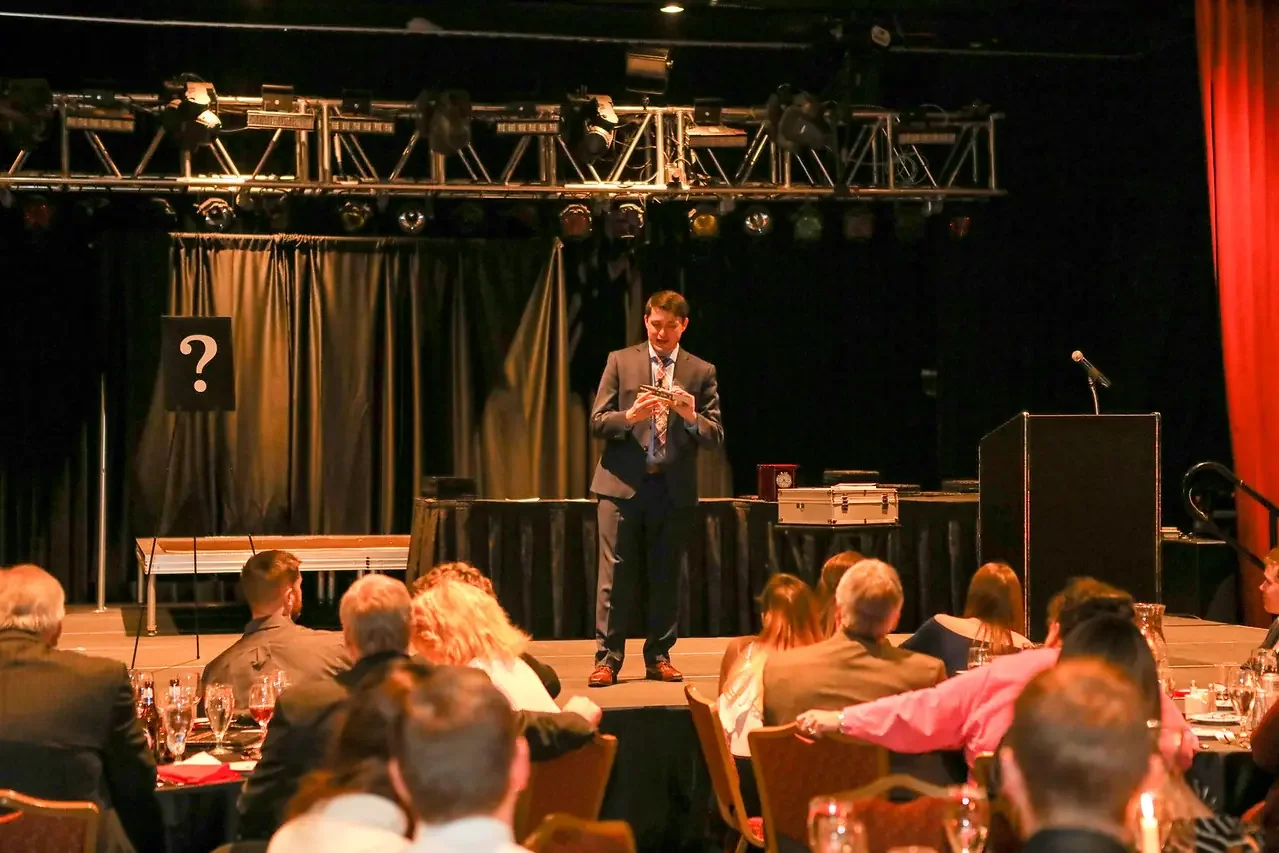
Looking for Interactive Entertainment for Your Corporate Event?
Josh Weidner is a nationally touring corporate magician specializing in interactive entertainment for business events, client appreciation nights, conferences, galas, and corporate celebrations.
If you want your guests laughing, connecting, and walking away saying, “That was one of the best corporate events we’ve attended,” Josh can help create an unforgettable experience, with strong planning features and support that help everything run smoothly.
Reach out today to learn more about bringing interactive corporate entertainment to your next event, including help with timing and site coordination.
