
How Entertainment Can Improve Networking at Corporate Events
How Entertainment Can Improve Networking at Corporate Events
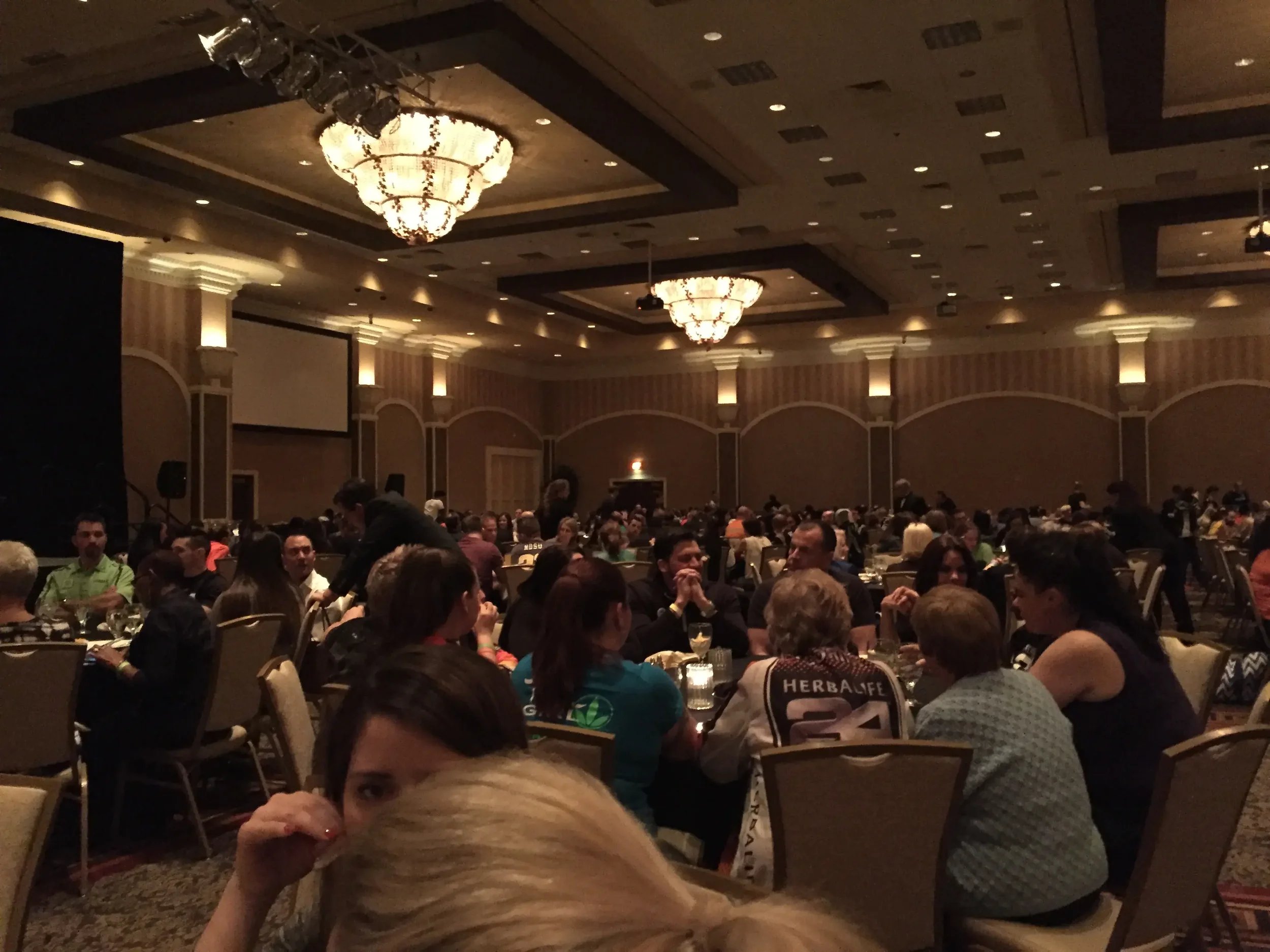
The room looks perfect.
The lighting is polished. The signage is sharp. The drinks are flowing. Name tags are on. The guest list is full of promising connections, potential clients, colleagues, sponsors, and decision-makers.
And yet, somehow, the energy feels… hesitant.
Clusters form quickly. People stick with who they already know. Some guests scroll their phones between conversations. Others make one or two introductions, then drift toward the food table and hope someone interesting approaches them first. Offering bite-sized, easy-to-hold food options helps keep hands free and conversations flowing, making it easier for attendees to mingle.
This is the quiet truth about many networking events: getting the right people in the room is only half the battle. The bigger challenge is getting them to actually connect.
That is where the right entertainment changes everything.
When used well, networking event entertainment is not a distraction from the purpose of the event. It becomes the spark that makes genuine interaction easier, smoother, and more memorable. It gives guests a reason to engage, a shared moment to react to, and a natural path into conversation. In other words, it helps turn a room full of attendees into a room full of relationships, and makes networking feel natural instead of forced.
If you are planning a business gathering and wondering how to make networking feel less forced and more effective, this is one of the smartest places to look. Incorporating fun elements can energize the room and encourage participation, helping conversations flow and making the experience more enjoyable for everyone. In this article, we will break down how entertainment improves connection, why it works so well, where it fits best, and how a professional like Josh Weidner can help transform corporate networking from awkward obligation into authentic engagement.
Why Traditional Networking Often Falls Flat
Let’s be honest. Most people do not love networking because of the word itself. It can sound transactional, stiff, and slightly uncomfortable. Even highly social professionals sometimes feel pressure in a room where the expectation is to “go make connections.”
Why? Because traditional networking often creates friction before it creates conversation, and these formats often fail to foster meaningful conversations.
Guests usually face a few common challenges:
They do not know how to start a conversation naturally
They worry about interrupting existing groups
They feel awkward introducing themselves repeatedly
They do not want to sound overly salesy or forced
They are unsure who they should meet first
They default to talking only with familiar people
That is why even well-attended events can underperform when it comes to real engagement. The setup may be right, but the human side still needs help.
This is exactly where corporate networking activities and interactive entertainment can make a measurable difference. Good entertainment lowers social barriers. It gives people a shared experience before they have to create a shared conversation on their own.
And that matters more than many planners realize.
A Story Every Event Planner Will Recognize
Imagine a company hosting a client appreciation reception after a conference. The attendees include executives, prospects, long-term clients, referral partners, and internal team members. On paper, it is the perfect crowd.
At the beginning of the event, though, the room is split.
The sales team stays with the sales team. The newer attendees stand near the edges of the room. A few clients chat with the one person they already know. The mood is polite, but cautious. Everyone is waiting for something to loosen things up. Creating a sense of comfort and welcome at networking events, through clear signage and thoughtful extras, can significantly enhance the overall experience for attendees and help set the right tone from the start.
Now imagine an entertainer stepping into that environment, not to pull focus from the event, but to activate the room.
A professional corporate magician begins interacting with small groups of participants. Within moments, participants are laughing together. Someone reacts out loud. Others nearby turn to see what happened. A group that was quiet thirty seconds ago is suddenly talking, smiling, and introducing one another naturally.
After the performer moves on, the conversation does not stop. In fact, it gets easier. Participants now have a common moment to reference. The event creates a relaxed and engaging atmosphere that encourages genuine interaction. The atmosphere changes from “I should network” to “I’m actually enjoying this.”
That shift is powerful.
A great entertainer does not replace the purpose of a networking event. He removes the resistance that keeps networking from happening in the first place.
What Networking Event Entertainment Actually Does
When people hear the word entertainment, they sometimes think of background music or a scheduled performance that guests passively watch. But the most effective networking event entertainment for corporate settings is something more strategic than that.
It creates interaction.
It gives people a common point of focus.
It changes the emotional temperature of the room.
It helps guests feel comfortable faster.
The present venue can be enhanced with warm lighting, flexible seating, and background music to create a relaxed environment that encourages attendees to mingle and connect.
That is especially true when the entertainment is interactive, polished, and designed for professional audiences. A magician like Josh Weidner is not just “doing tricks” at a corporate event. He is creating moments of surprise, laughter, and curiosity that naturally draw people together.
That kind of entertainment serves several purposes at once:
It breaks the ice without feeling forced
Guests do not need a rehearsed opener. Light games and short ice breaker activities can quickly energize groups and spark creativity, giving participants a fun, low-pressure way to meet and communicate. The shared experience gives them something immediate to talk about.
It keeps energy moving
When networking stalls, energy drops. Activities where attendees walk around the room help maintain energy and facilitate new connections. Interactive entertainment keeps the room alive and dynamic.
It creates memorable conversation starters
People may forget someone’s job title, but they will remember the moment they shared during the event. Bingo cards, such as those used in Human Bingo, can serve as interactive conversation starters by encouraging participants to find others who match specific personal or professional traits listed on the cards.
It makes the event feel intentional
Entertainment sends a message that this is not just another standard mixer. It tells guests the experience was thoughtfully designed. Incorporating fresh ideas into the event design further signals intentionality and creativity, helping your networking event stand out.
It helps mixed groups connect faster
Whether the audience includes employees, executives, clients, or plus-ones, entertainment helps level the playing field and makes everyone feel included.
How Entertainment Improves Corporate Networking Activities
If you want networking to improve, you need more than a full room. You need momentum, comfort, and opportunities for organic engagement. Creative networking event ideas ranging from speed networking to themed gatherings can make events more engaging and memorable, helping attendees connect in meaningful ways.
A well-designed venue can also facilitate natural movement and conversation flow, preventing awkward bottlenecks and cramped layouts that can kill the energy of the event.
Here are some of the biggest ways it strengthens corporate networking activities:
1. It gives people a reason to gather
One of the hardest parts of networking is initiating movement. Entertainment creates little pockets of activity throughout the room, making it easier for guests to join interactions without feeling awkward.
2. It reduces social pressure
Instead of needing to lead with business talk, guests can first respond to a shared moment. Incorporating a fun way to interact, such as games or creative challenges, can help guests relax and engage more easily. That lowers tension and makes conversation feel more human.
3. It creates emotional connection
People bond faster when they laugh, react, and experience surprise together. Forming teams for collaborative activities, such as culinary experiences like hands-on cooking or mixology classes, can deepen emotional connections among attendees by fostering teamwork and shared achievement. Entertainment speeds up that emotional familiarity.
4. It encourages cross-group interaction
Without a catalyst, guests often stay in their comfort zones. Activities designed to encourage mingling, such as scavenger hunts, help guests interact with new people and engage with specific individuals or groups during events. Interactive entertainment helps blend groups and encourages people to mingle beyond their usual circles.
5. It increases event memorability
The more memorable the event feels, the more likely people are to remember who they met there. Incorporating interactive elements like live polls and Social Media Walls which display real-time feeds of attendee posts and photos can make the event more interactive and memorable for attendees. That is valuable for client retention, team building, and business development.
6. It supports networking goals without becoming too formal
Some networking formats become so structured that they feel rigid. Entertainment adds freedom and energy while still supporting the event’s purpose. By incorporating entertainment, you can help spark organic conversations that feel genuine rather than forced, allowing participants to connect more naturally.
The Psychology Behind Why It Works
At its core, networking improves when people feel safe, engaged, and curious. Entertainment helps trigger all three.
Shared experiences are one of the fastest ways to build social comfort. When two strangers witness something surprising or funny together, they instantly have common ground. That common ground acts like social glue. It gives them a starting point that feels natural. These shared experiences also help attendees gain insights into their industry and peers, as conversations and interactions during networking events often reveal new perspectives and opportunities.
There is also a big difference between entering a conversation cold and entering it after a moment of shared engagement. Collaborative workshops or puzzles that require joint effort can foster deeper connections among participants.
Think about it this way: which is easier?
Walking up to a stranger and saying, “So, what brings you here tonight?”
Or turning to someone after a remarkable interactive moment and saying, “How did he do that?”
The second one is easier because the barrier is lower.
This is why the best networking event entertainment is not random. It is useful. It provides structure without stiffness and energy without chaos.
Where This Works Best at Corporate Events
Entertainment can enhance networking in several event formats, and knowing where it fits best can help planners maximize results. Certain entertainment formats are especially effective for large groups, helping to engage everyone present and ensure broad participation.
Cocktail Receptions
This is one of the best settings for interactive entertainment. Serving light refreshments can help create a relaxed, social atmosphere conducive to networking. People are already circulating, which makes it easier for a performer to move through the room and create small-group moments that spread naturally.
Conferences
Conferences often include networking sessions that feel necessary but not always exciting. Incorporating a speed networking event into your conference can facilitate quick, structured introductions among attendees. In a speed networking event, participants meet one-on-one for short, timed conversations typically three to five minutes each before rotating to the next person. This rapid rhythm encourages participants to introduce themselves efficiently and meet a wide range of contacts, including those outside their usual circle. A typical speed networking event can last anywhere from 20 to 60 minutes, depending on the number of participants and the structure of the event. Entertainment can energize receptions, sponsor events, and evening mixers, helping attendees connect more easily after a day of sessions.
Trade Shows and Exhibitor Mixers
In these settings, there is constant competition for attention. Entertainment can help draw people in, keep them engaged longer, and create stronger first impressions.
Client Appreciation Events
If the goal is relationship-building, thoughtful entertainment adds value without making the event feel overly sales-focused. A relaxed environment helps clients feel comfortable and open to building relationships. It helps clients relax and enjoy the experience.
Holiday Parties
Holiday gatherings often combine celebration with professional relationship-building. Incorporating friendly competition, such as team games or contests, can add excitement and foster team spirit. Interactive entertainment can support both goals at once.
Fundraisers and Galas
These events benefit from high energy and guest engagement. A silent disco can be a unique entertainment option, allowing participants to enjoy music at their own volume through wireless headsets and easily switch to conversation by simply removing their headphones, creating a quiet yet energetic atmosphere ideal for networking. Entertainment can support networking while also contributing to the overall experience and atmosphere.
What Type of Entertainment Works Best for Networking?
Not all entertainment improves networking equally.
Some forms of entertainment are enjoyable, but passive. A band may sound great, but if the volume is too high, it can actually make conversation harder. A long featured performance may entertain guests, but it pauses networking instead of encouraging it.
For networking-focused events, the best entertainment is usually:
Interactive instead of passive
Flexible instead of rigid
Professional and polished
Appropriate for mixed business audiences
Easy to integrate into the flow of the event
Memorable without overpowering the event’s purpose
Event planners should also consider new ideas that foster a relaxed atmosphere and encourage guests to share fresh perspectives, helping their event stand out.
That is why a corporate magician is such a strong fit.
A magician for business audiences can work the room, engage small groups, create shared moments, and complement the event rather than compete with it. The experience feels high-end, conversational, and surprisingly effective as a networking tool.
In other words, it is entertainment with a job to do.
FAQ: Entertainment and Corporate Networking Events
Does entertainment distract from networking?
Not when it is chosen well. The right entertainment actually supports networking by making it easier for guests to engage with one another.
What kind of entertainment is best for business networking events?
Interactive entertainment is usually the strongest choice. It encourages conversation, creates shared experiences, and fits naturally into the flow of the event.
Is a corporate magician too informal for professional audiences?
Not at all. A skilled corporate magician performs in a polished, professional way that suits executives, clients, employees, and mixed business audiences.
Can entertainment help if guests do not know each other?
Yes. In fact, that is one of its biggest strengths. Entertainment can help guests connect with other professionals they might not otherwise meet, fostering new relationships and valuable industry connections. It helps strangers connect quickly by giving them a shared experience and an easy reason to start talking.
Does this only work for large events?
No. It can be just as effective at smaller executive receptions, private dinners, and intimate client events as it is at large conferences or galas.
Should the entertainment happen during the whole event?
It depends on the format. Some events benefit from entertainment during cocktail hour or mingling time, while others may use it in shorter segments. The key is matching the entertainment to the networking goals of the event. Starting with a short introduction at the beginning of the event can help set expectations, guide attendees on how to participate, and foster engagement from the outset.
The Hidden ROI of Networking Event Entertainment
Event planners are often asked to justify every decision. Venue, catering, décor, AV, staffing, signage, entertainment, all of it has to serve a purpose.
So what is the return on investment for networking event entertainment?
It is not just that guests enjoy themselves more, though that matters. The real return shows up in outcomes that planners and hosts care deeply about:
Guests stay engaged longer
Conversations happen more naturally
People mix beyond their immediate circles
The event feels more memorable and distinct
Clients leave with a stronger impression
Employees or attendees feel more connected to the brand or host organization
Incentivizing interaction among participants, such as offering small prizes for game completions, can further boost engagement and ROI by encouraging more active involvement.
That kind of ROI is easy to overlook because it is relational rather than purely logistical. But in many corporate settings, relationships are the whole point.
Whether the goal is new business, stronger client loyalty, team connection, sponsor visibility, or attendee satisfaction, networking improves when people feel comfortable and energized. Entertainment helps make that happen.
Event Follow-up: Turning Connections into Relationships
A successful networking event doesn’t end when the last guest leaves the venue. For event planners and attendees alike, the real value comes from turning those initial introductions into lasting, meaningful connections. Effective follow-up is the bridge between a great event and new opportunities for collaboration, business, and community.
Start by sending a thank-you email to all attendees, expressing appreciation for their participation and inviting feedback. Including a short survey not only shows you value their input but also helps you gather insights for future events. Encourage guests to share their experiences and photos on social media using a branded hashtag this extends the event’s reach and keeps the conversation going.
To help attendees build on the connections they made, provide resources such as a digital attendee list (with permission), conversation prompts, or links to relevant industry groups. Suggest next steps, like joining a follow-up webinar or attending a future networking event, to maintain momentum and foster ongoing engagement.
Event planners can also consider hosting a post-event mixer or virtual meet-up, giving attendees another chance to reconnect and deepen relationships. By prioritizing follow-up and ongoing engagement, you help ensure that the valuable connections made during the event continue to grow, leading to new opportunities, partnerships, and collaborations.
Ultimately, a well-executed follow-up strategy transforms a single networking event into the foundation for a thriving professional community one where conversations, ideas, and connections flourish long after the event ends.
Event Feedback: Improving Future Networking Events
Continuous improvement is key to hosting networking events that consistently deliver value and foster meaningful connections. Gathering feedback from attendees allows event planners to understand what worked, what didn’t, and how to make future events even more engaging.
Use post-event surveys, focus groups, or one-on-one interviews to collect honest feedback. Ask attendees about their favorite aspects of the event whether it was the speed networking sessions, creative conversation prompts, trivia games, or other activity ideas. Find out which elements helped break the ice, encouraged mingling, or sparked memorable conversations.
Don’t overlook practical feedback on the venue, catering, group size, and overall atmosphere. These details can significantly impact how comfortable and engaged attendees feel. By understanding what made the event enjoyable or what could be improved, you can refine your approach to planning, from selecting the right games and entertainment to optimizing the flow of the event.
Incorporate attendee suggestions to tailor future networking events to the interests and preferences of your audience, whether they are young professionals, early career professionals, or industry leaders. Effective feedback mechanisms also help you stay ahead of trends, ensuring your events remain relevant and appealing.
By making feedback a core part of your event planning process, you create a cycle of improvement that leads to more successful networking events ones that consistently attract, engage, and connect professionals, helping them build relationships and share ideas in a dynamic, supportive environment.
One Question Worth Asking Before You Plan Your Next Event
When guests leave your networking event, what do you want them to remember?
Do you want them to remember a room full of polite but forgettable small talk?
Or do you want them to remember how easy it felt to connect, how enjoyable the atmosphere was, and how unexpectedly engaging the experience became?
The best events are those where guests have the opportunity to exchange ideas and build lasting connections.
That question can shape every decision you make.
The strongest events are not always the ones with the biggest budget or the flashiest venue. Often, they are the ones that understand human behavior. They create the conditions for people to connect naturally.
That is why entertainment matters so much.
Why Josh Weidner Is a Strong Fit for Corporate Networking Events
When choosing entertainment for a business event, professionalism matters just as much as talent. You need someone who understands that the event is not about stealing the spotlight. It is about serving the experience.
Josh Weidner specializes in corporate entertainment tailored for business audiences, which makes him especially well-suited for networking-focused events. His performance style is designed to engage guests, spark conversation, and create memorable moments that align with the goals of professional gatherings. His acts are highly effective for both in person and hybrid business events, ensuring flexibility and engagement no matter the event format.
That distinction matters.
A true corporate entertainer knows how to read the room, work with the flow of the event, respect the brand and tone, and create interactions that feel polished rather than intrusive. That is what helps the entertainment become an asset to the event instead of just an add-on.
Final Thoughts: Better Networking Starts with Better Experiences
Networking does not improve just because people are told to mingle.
It improves when the environment helps them do it.
It improves when people feel relaxed enough to engage. It improves when there is energy in the room. It improves when strangers have a reason to interact. It improves when the event gives guests something meaningful to share. Entertainment can also help attendees with similar interests find each other and connect more easily, making networking more relevant and engaging.
That is the real power of corporate networking activities supported by the right entertainment. They turn connection from a task into a natural outcome.
A great networking event is not just organized. It is activated.
And when the right entertainment is part of that equation, the difference is immediate. Guests talk more. They laugh more. They connect more. They remember more.
That is not a bonus. That is the point.
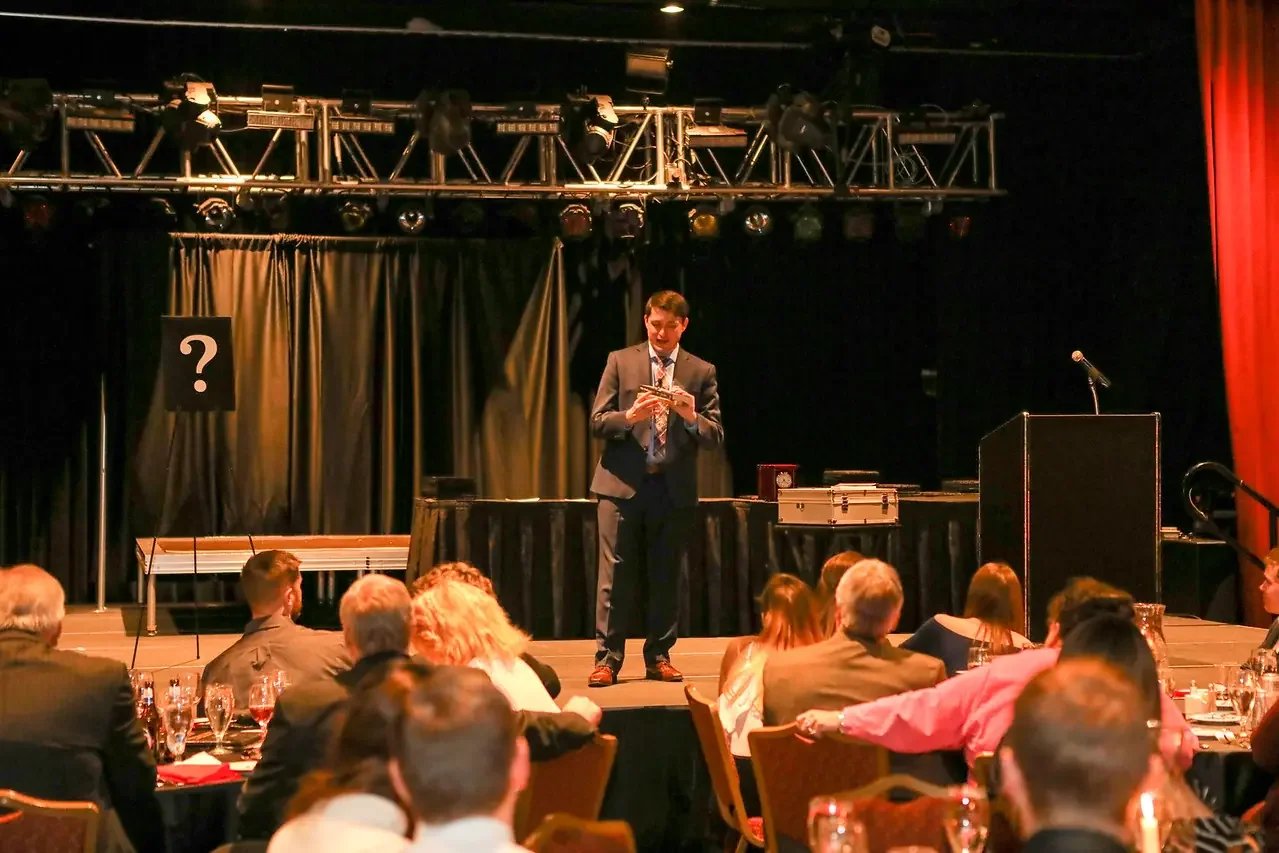
Need a Corporate Magician for Events & Galas?
If you are planning a business event and want entertainment that does more than fill space, connect with Josh Weidner.
As a nationally touring professional magician specializing in corporate entertainment for business audiences, Josh helps events feel more engaging, memorable, and connection-driven. Whether you are hosting a reception, gala, conference, networking event, or client appreciation gathering, he can help create the kind of experience guests actually talk about afterward.
If you need a Corporate Magician for Events & Galas, reach out to Josh Weidner and start the conversation.
