
How to Handle Difficult Guests or Unexpected Event Disruptions: A Guide to Event Crisis Management
How to Handle Difficult Guests or Unexpected Event Disruptions: A Guide to Event Crisis Management
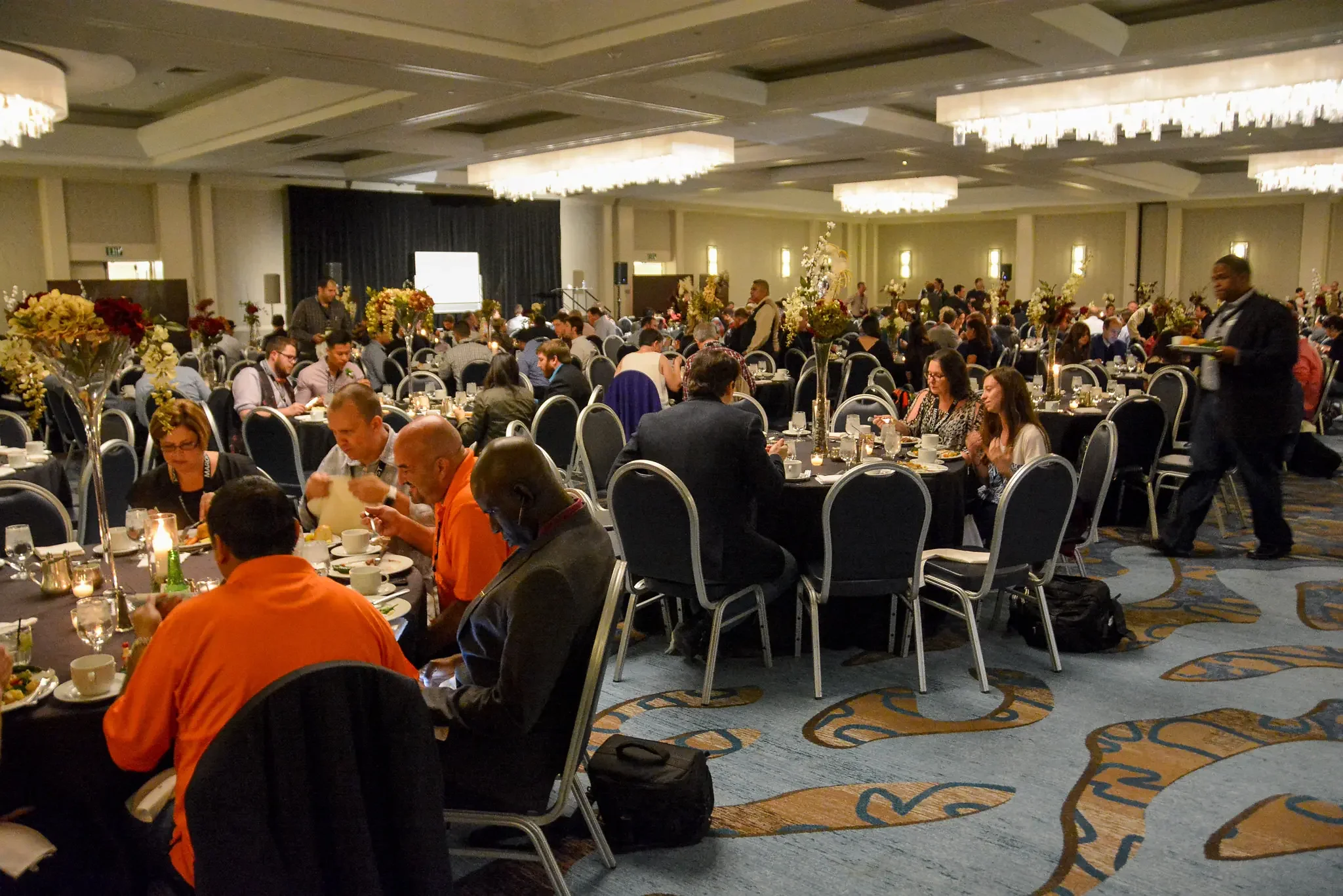
Picture this:
The ballroom is packed. The CEO is moments away from taking the stage. Guests are networking, cocktails are flowing, and everything seems to be running perfectly.
Then suddenly, the microphone cuts out.
A guest becomes disruptive.
The catering team is running behind.
The keynote speaker is stuck in traffic.
What happens next often determines whether your event is remembered as a success or a disaster.
No matter how much planning goes into an event, unexpected challenges are inevitable. The difference between experienced event professionals and everyone else isn't the absence of problems. It's their ability to respond calmly, confidently, and effectively when problems arise.
This is where event crisis management becomes one of the most important skills for event planners, corporate leaders, and event hosts.
Whether you're organizing a corporate gala, fundraising event, conference, awards ceremony, or company celebration, knowing how to handle difficult guests and unexpected disruptions can protect your reputation, maintain guest satisfaction, and keep your event on track.
Let's dive into the strategies that make all the difference when things don't go according to plan.
Why Event Crisis Management Matters More Than Ever
Every event has moving parts.
Vendors, venues, technology, speakers, guests, entertainment, transportation, food service, and staffing all have to work together seamlessly.
The more moving parts involved, the greater the chance that something unexpected will happen.
Effective event crisis management isn't about preventing every possible issue. That's impossible.
Instead, it's about:
Reducing the impact of disruptions
Protecting the guest experience
Maintaining professionalism
Preserving the event's objectives
Keeping stress levels manageable for your team
The best event planners understand that guests rarely remember the problem itself.
They remember how the problem was handled.
The Hidden Reality of Successful Events
Here's something many attendees never realize:
Even the most successful events often experience multiple issues behind the scenes.
As a professional corporate entertainer who performs at events across the country, I've seen countless situations that could have derailed an event.
I've witnessed:
Projectors fail minutes before presentations
VIP guests arrive unexpectedly
Power outages interrupt programming
Weather force last-minute venue changes
Speakers miss flights
Event timelines completely collapse
Yet many of these events were still considered tremendous successes.
Why?
Because the event teams stayed calm and executed a plan.
Guests rarely notice the disruption when professionals respond quickly and confidently.
A Story About Turning Chaos Into Opportunity
Several years ago, I was booked to perform at a corporate awards gala.
Everything was running smoothly until a major technical issue struck.
The audiovisual system experienced problems just before an important segment of the evening. The team suddenly found themselves with unexpected downtime while technicians worked frantically behind the scenes.
Panic could have easily spread through the room.
Instead, the organizers remained calm and communicated clearly with everyone involved.
Because they had flexible entertainment built into the schedule, I was able to step in and engage the audience while the technical team resolved the issue.
The guests stayed entertained.
The atmosphere remained positive.
Most attendees never realized there had been a problem at all.
The lesson?
The best event crisis management strategies often involve having flexible solutions ready before a crisis occurs.
How to Handle Difficult Guests Without Escalating the Situation
One of the most challenging aspects of event management is dealing with disruptive attendees.
Whether someone has had too much to drink, becomes argumentative, monopolizes conversations, or creates tension among guests, how you respond matters.
Stay Calm and Professional
When emotions rise, professionalism becomes your greatest asset.
Never match a guest's frustration with your own.
Instead:
Speak calmly
Listen actively
Acknowledge concerns
Avoid public confrontations
Focus on solutions
People often become more cooperative when they feel heard.
Empower Staff With Clear Authority
Many event issues worsen because staff members aren't sure what they are allowed to do.
Before the event begins, establish clear guidelines regarding:
Guest complaints
Behavioral concerns
Security involvement
Refund discussions
Escalation procedures
When staff know their authority level, they can respond quickly and confidently.
Move Conversations Away From the Crowd
Whenever possible, address concerns privately.
A difficult guest who feels embarrassed in front of others may become even more disruptive.
A quiet conversation away from the audience often diffuses tension significantly.
Know When to Involve Security
Most guest issues can be resolved through communication.
However, safety should always remain the top priority.
If a guest becomes threatening, aggressive, or creates a risk for others, security personnel should be involved immediately.
The Event Disruptions You Should Always Prepare For
Some challenges occur so frequently that every event planner should have contingency plans in place.
Technology Failures
Technology issues remain one of the most common event disruptions.
Prepare backups for:
Microphones
Presentation equipment
Internet access
Lighting systems
Audio systems
Weather Emergencies
Outdoor events require weather contingency plans.
Ask yourself:
Where will guests go if it rains?
What happens if temperatures become extreme?
How will transportation be affected?
Vendor Delays
Even reliable vendors occasionally encounter problems.
Create backup plans for:
Catering
Transportation
Photography
Entertainment
Equipment rentals
Medical Emergencies
Every event should have procedures for medical situations.
Ensure your team knows:
Emergency exits
First aid locations
Emergency contact procedures
Venue emergency protocols
Creating an Event Crisis Management Plan
A strong event crisis management plan doesn't need to be complicated.
It simply needs to be clear and actionable.
Here are the essential components.
Risk Assessment
Identify potential problems before the event.
Ask:
What could realistically go wrong?
How likely is it?
What impact would it have?
Response Team
Determine who handles what.
Assign responsibilities for:
Guest relations
Vendor communication
Technical issues
Security concerns
Executive updates
Communication Protocols
Communication breakdowns often create bigger problems than the disruption itself.
Ensure everyone knows:
Who to contact
How to communicate
When updates should be provided
Backup Resources
Prepare alternatives whenever possible.
Examples include:
Backup speakers
Additional entertainment
Extra equipment
Alternative venues
Additional staffing
The Psychology of Keeping Guests Comfortable During a Crisis
One of the most overlooked aspects of event crisis management is guest perception.
Guests don't need every detail.
In fact, oversharing can increase anxiety.
Instead:
Stay positive
Provide concise updates
Focus on solutions
Keep attendees engaged
People generally take emotional cues from event leaders.
If organizers appear calm and confident, guests are more likely to remain relaxed.
What Corporate Event Planners Can Learn From Live Entertainment
Live entertainers become experts at adapting because every audience is different.
A successful performer constantly reads the room, adjusts pacing, responds to surprises, and keeps the audience engaged regardless of what happens.
Corporate event planners can benefit from adopting the same mindset.
Flexibility is often more valuable than perfection.
The ability to pivot quickly can transform a potential disaster into a memorable moment.
Have you ever attended an event where something went wrong but the organizers handled it so well that it actually made the experience more memorable?
Those moments often become stories people tell for years.
Frequently Asked Questions About Event Crisis Management
What is event crisis management?
Event crisis management refers to the planning, preparation, and response strategies used to address unexpected problems during an event while minimizing disruption and protecting the attendee experience.
How can event planners prepare for unexpected disruptions?
Preparation involves conducting risk assessments, creating contingency plans, assigning response roles, training staff, and maintaining backup resources for critical event components.
What is the biggest mistake during an event crisis?
Panic.
When leaders become visibly stressed or disorganized, guests and staff often follow their example. Calm leadership helps maintain control and confidence.
How should organizers handle difficult guests?
Listen respectfully, address concerns privately when possible, remain professional, and involve security only when necessary to ensure safety.
Why is communication important during an event disruption?
Clear communication reduces confusion, prevents rumors, and reassures guests that the situation is being managed effectively.
Turning Challenges Into Opportunities
The reality is simple:
No event is perfect.
Even the most carefully planned gala, conference, fundraiser, or corporate celebration will face unexpected challenges.
The goal isn't perfection.
The goal is preparedness.
Strong event crisis management allows organizers to respond with confidence, protect the guest experience, and maintain momentum even when obstacles arise.
In many cases, guests won't remember the disruption itself.
They'll remember the professionalism, creativity, and leadership demonstrated in response to it.
And that's often what separates an average event from an exceptional one.
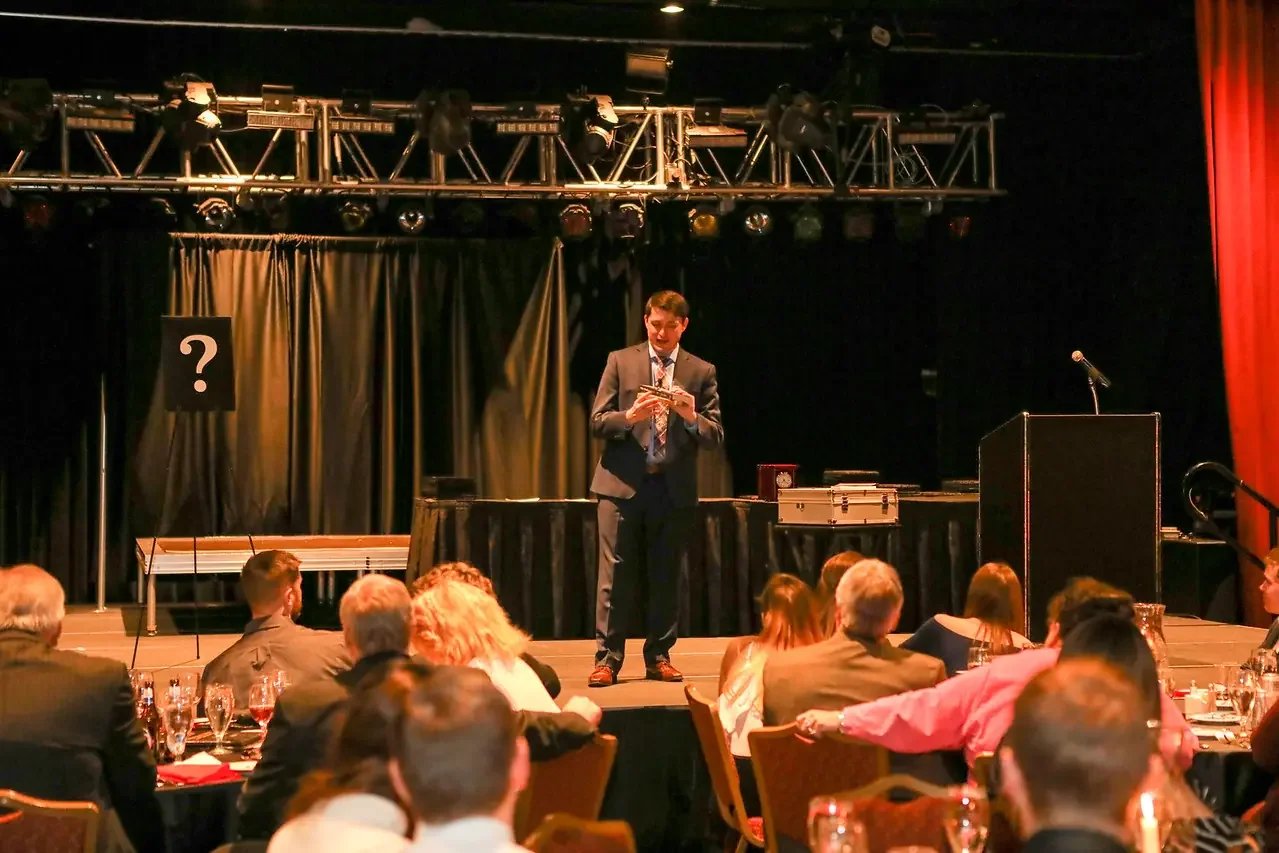
Need Entertainment That Can Adapt to Any Situation?
When planning a corporate event, gala, awards banquet, conference, or fundraiser, having flexible, engaging entertainment can be one of the best tools for maintaining energy and keeping guests engaged, even when unexpected disruptions occur.
Josh Weidner is a nationally touring corporate magician who specializes in creating unforgettable experiences for business audiences. His interactive performances help elevate events, engage attendees, and provide the kind of adaptable entertainment that keeps programs running smoothly.
If you're planning an upcoming event and want a proven professional who understands both audience engagement and the realities of live event production, connect with Josh Weidner today to discuss your event and discover how world-class corporate entertainment can help make your next gala or corporate gathering unforgettable.
