
How to Make Corporate Events More Engaging for Your Team
How to Make Corporate Events More Engaging for Your Team

The True Power of Corporate Event Entertainment
Corporate events are strategic opportunities to inspire your team, impress clients, and create experiences that are genuinely memorable. Yet far too often, planners settle for “good enough”: a basic speaker, a generic DJ, or entertainment that fills time but leaves no impact. That’s where the right corporate event entertainment comes in.
The right entertainment engages, motivates, and builds relationships. It transforms a routine company gathering into an event employees talk about for months and clients reference in follow-ups. When done strategically, entertainment can increase morale, strengthen client connections, and reinforce your brand culture.
The stakes are real. In today’s competitive business environment, every touchpoint with employees, clients, or prospects matters. A poorly planned event can disengage employees, frustrate clients, and dilute your company’s image. On the other hand, thoughtful, professional entertainment becomes a lasting memory that enhances both culture and reputation.
This guide will walk you through everything you need to know about corporate event entertainment: what it is, why it matters, the different types available, budgeting considerations, planning strategies, common mistakes, real-world examples, and how hiring a professional performer, like Josh Weidner, can turn your next event into an unforgettable experience. By the end, you’ll not only understand the importance of entertainment but also how to make corporate events more engaging and impactful.
What Corporate Event Entertainment Really Is
Corporate event entertainment is any activity, performance, or experience designed to engage, delight, and connect your audience during a professional gathering. Its scope ranges from small, intimate interactions to large-scale stage performances, but the goal is always the same: to create meaningful experiences that enhance the event and its purpose.
Many planners mistakenly view entertainment as a “fun add-on,” but this perspective undervalues its potential. Not all acts are suitable for professional audiences, and poor choices can create awkward moments that undermine the event. However, not all events need to be strictly work-focused; incorporating wellness initiatives or entertainment segments can enhance attendee engagement and relaxation. In contrast, well-chosen entertainment can drive engagement, enhance conversation, and create memories that reinforce company culture.
Selecting the right type depends on your audience, venue, event goals, and timing. Choosing the appropriate event format is crucial for optimizing engagement and achieving your specific objectives.
Types of Corporate Event Entertainment
Interactive Experiences
Activities like hands-on magic, problem-solving challenges, immersive games, breakout sessions, scavenger hunts, speed networking, and other interactive games.
Ideal for team-building and internal events, these formats foster collaboration, engagement, and networking among attendees.
Close-Up / Roaming Performances
Magicians, mentalists, or performers who interact directly with guests.
Perfect for cocktail hours, networking events, or receptions.
Stage Shows / Large Performances
Comedy, magic, or multi-act shows delivered on stage, or a keynote speaker to inspire and energize the audience.
Works well for galas, conferences, or award ceremonies.
Tech-Enhanced Entertainment
Virtual or augmented reality, interactive projections, or multimedia shows.
Great for tech companies, product launches, or large expos.
Tailored / Hybrid Experiences
A combination of multiple types of entertainment, including hybrid events that engage both in-person and virtual attendees.
Example: opening stage show followed by close-up roving performances, with breakout sessions and interactive games accessible to virtual attendees to ensure everyone can participate and connect.
Themed Events
Holiday parties and other themed gatherings boost morale, foster connections, and create memorable experiences, especially during the holiday season.
Selecting the right type depends on your audience, venue, event goals, and timing. The best experiences engage attendees in ways that align with your corporate objectives.
Why Corporate Event Entertainment Matters
Corporate entertainment has to be strategic. Carefully curated experiences can have a measurable impact on morale, client relationships, collaboration, and brand perception. Entertainment also boosts employee engagement and keeps event attendees actively involved throughout the event.
Boost Employee Morale
Employees who feel appreciated are more productive, engaged, and loyal. Incorporating entertainment can encourage employees to participate in activities that foster a competitive spirit and team bonding, making the event more dynamic and memorable. A memorable event with thoughtfully chosen entertainment acknowledges contributions, celebrates milestones, and reinforces a sense of community.
Strengthen Client Relationships
Clients remember experiences far longer than presentations. Entertainment that impresses, delights, or surprises builds goodwill, strengthens relationships, and enhances your professional reputation.
Encourage Team Collaboration
Interactive entertainment creates shared experiences that foster camaraderie. Incorporating a team building activity, such as a scavenger hunt or escape room, can foster creative problem solving and leadership development among employees. Whether through problem-solving games, participatory shows, or shared laughter, these moments bring employees closer together and improve team dynamics.
Enhance Brand Perception
High-quality entertainment reflects positively on your organization. It signals professionalism, attention to detail, and commitment to delivering exceptional experiences — whether internally or externally.
Generate Long-Term ROI
When entertainment is carefully integrated into an event, its value extends far beyond the evening itself. Event satisfaction can be measured through participant feedback and overall experience quality, providing valuable insights into the effectiveness of your event strategies. Engaged employees are more productive, clients are more loyal, and your brand reputation is reinforced — all outcomes that impact your bottom line.
How to Choose the Right Corporate Event Entertainment
Choosing the right entertainment is both an art and a science. The following steps help ensure the experience resonates with your audience and supports your event objectives: Clearly defining the event's objectives at the outset is crucial, as it guides all planning and execution decisions, from selecting themes and menus to choosing entertainment that aligns with the event’s purpose.
Understand Event Goals
Clarify your priorities: Are you celebrating achievements, fostering collaboration, impressing clients, or motivating your team? Entertainment choices should align with these objectives.
Know Your Audience
Audience demographics, professional culture, and preferences matter. A polished magic show or interactive performance may be perfect for executives, while larger stage productions might resonate better at company-wide events.
Consider Venue & Logistics
Entertainment must fit the physical space, acoustics, and available technology. Not every performance suits every venue; matching format to space ensures seamless delivery.
Plan Timing & Flow
Integrate entertainment thoughtfully into the program. A staged show works best at a designated time, while close-up performers thrive during networking or cocktail hours.
Avoid Common Pitfalls
Choosing generic or untested acts
Overlooking audience engagement
Ignoring technical requirements
Underestimating professional execution
Corporate Event Entertainment Cost Ranges
Understanding pricing helps planners make informed decisions. Costs vary based on experience, performance type, duration, and event size, and can differ depending on the type of event, such as a corporate party:
Anything under $1,000 – Entry-level performers, hobbyists, almost no corporate experience. Not suitable for a professional environment.
$2,000–$4,000 – Professional corporate entertainers with reliable experience. Ideal for most company events.
$4,000–$7,500 – High-end performers, such as a professional comedian, with extensive customization, strong audience control, and corporate expertise.
$10,000+ – Celebrity acts or large-scale, branded productions.
Tip: Price reflects outcomes, not minutes on stage. Investing in professional entertainment reduces risk, ensures engagement, and creates memorable experiences.
Event Logistics and Operations
Event logistics and operations are the backbone of any successful corporate event. From the moment you select your event venue to the final guest departure, every detail matters. Effective event organizers know that seamless logistics, covering everything from catering and audio-visual equipment to transportation and event staffing, are essential for creating a memorable event experience.
Careful planning starts with understanding your event’s objectives, attendee demographics, and budget. This allows event planners to make informed decisions about timing, layout, and flow. Leveraging an event app can further streamline operations, giving attendees instant access to schedules, venue maps, and real-time updates, while also helping organizers manage check-ins and gather feedback efficiently.
By prioritizing logistics and operations, event planners ensure that the event runs smoothly, allowing attendees to focus on engaging with the content and each other. The result is a successful event engagement that leaves a lasting impression and sets the standard for future events.
Event Marketing and Promotion
A well-executed marketing and promotion strategy is key to driving attendance and excitement for your corporate event. Event organizers should craft engaging event content—think teaser videos, behind-the-scenes photos, and compelling social media posts—to generate buzz and anticipation. Email marketing campaigns and targeted digital outreach can help reach your ideal audience and encourage active participation.
Utilizing an event app not only streamlines registration but also empowers attendees to share their experiences, post updates, and connect with others using event-specific hashtags. Offering incentives, such as early-bird discounts or exclusive access to special sessions, can further encourage attendees to register and participate.
By developing a comprehensive marketing plan, event planners can boost event engagement before, during, and after the event. This approach not only increases attendance but also encourages active participation, fosters post event engagement, and ensures your event leaves a lasting impression on everyone involved.
Incorporating Technology and Emerging Trends
Staying ahead of the curve by incorporating technology and emerging trends can transform a standard corporate event into an engaging, future-ready experience. Event organizers are increasingly turning to virtual reality (VR) and augmented reality (AR) to create immersive, interactive sessions that captivate both in person and virtual audiences. These technologies can be used for everything from virtual venue tours to interactive games and team building activities.
Event apps and social media platforms also play a crucial role in boosting attendee engagement and facilitating audience participation. Real-time polling, live Q&A, and interactive networking features encourage attendees to interact and share feedback, providing valuable insights for event planners.
By embracing these innovations, corporate event planners can deliver memorable events that not only meet but exceed attendee expectations. Leveraging technology ensures successful event engagement, helps gather feedback, and provides a foundation for even more impactful future events.
Planning a Memorable Corporate Event
Pre-Event
Define objectives clearly
Assess audience expectations
Coordinate logistics with entertainers
Communicate event details effectively to attendees
During the Event
Ensure smooth transitions between segments
Manage energy flow with interactive or staged entertainment
Monitor audience engagement and adapt if needed
Post-Event
Collect feedback through surveys or informal conversations
Capture content for social proof (photos, videos)
Reflect on lessons learned for future events
Event Planning Checklist
A comprehensive event planning checklist is an indispensable tool for corporate event planners aiming to deliver a seamless and engaging event. Start by outlining key tasks such as selecting the event venue, arranging catering, booking audio-visual equipment, and coordinating event staffing. Factor in event timing, budget constraints, and attendee demographics to ensure every detail aligns with your event’s objectives.
Digital tools like an event app can simplify the planning process, allowing organizers to track progress, communicate with attendees, and manage logistics in real time. This not only streamlines operations but also enhances the overall event experience for both planners and attendees.
By following a detailed checklist, event organizers can anticipate challenges, avoid last-minute surprises, and create a memorable event that drives successful event engagement and leaves a lasting impression.
Planning for Remote Employees
In today’s hybrid work environment, planning for remote employees is essential to ensure inclusive and engaging corporate events. Event organizers should leverage virtual event platforms and event apps to enable remote attendees to join interactive sessions, participate in panel discussions, and network with in person attendees.
Considerations such as time zones, language preferences, and cultural differences are crucial for maximizing engagement among remote employees. Offering breakout rooms, live chat, and Q&A features can help remote attendees feel connected and valued. Encouraging remote participants to share feedback and insights after the event not only enhances post event engagement but also provides valuable data for improving future events.
By prioritizing the needs of remote employees, corporate event planners can foster a sense of community, encourage attendees to participate actively, and ensure a positive event experience for everyone—no matter where they are located.
Common Mistakes in Corporate Event Entertainment
Underestimating Professional Execution – Cheap or inexperienced performers can undermine the event.
Ignoring Audience Preferences – Entertainment must resonate with attendees, not just impress planners.
Poor Timing & Integration – Even great entertainment falls flat if it disrupts the event’s flow.
Lack of Customization – Generic acts fail to connect with company culture or audience.
Avoiding these pitfalls ensures that entertainment enhances rather than distracts.
Case Studies: Entertainment Done Right
Josh Weidner’s Corporate Impact
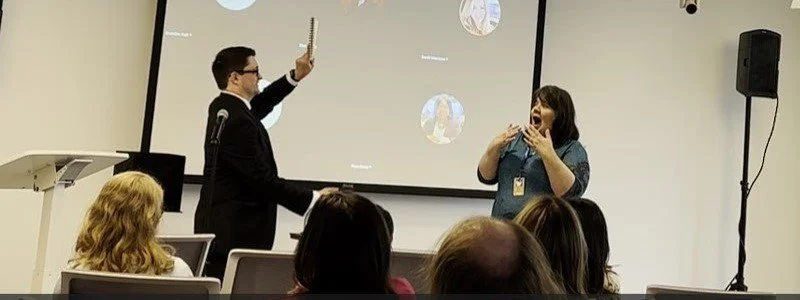
Annual Company Dinners – Teams reported higher engagement and improved morale after customized magic shows.
Client Appreciation Events – Tailored performances left lasting impressions, strengthening relationships and repeat business.
Conferences & Retreats – Stage shows integrated into agendas elevated energy, encouraged participation, and created memorable takeaways.
Testimonials
“Josh was fantastic! Both up-close and on-stage performances were engaging, impressive, and funny.” – Desiree B., Woods Basement Systems
“Josh performed at my parents’ anniversary party. He was a huge hit — very professional and talented.” – Jake K.
Why Josh Weidner is the Ideal Corporate Entertainment Solution
Josh brings over 15 years of professional experience delivering corporate entertainment that’s:
Customizable: Tailored for audience size, company culture, and event goals.
Reliable: Seamless execution, risk-free performance, and professional coordination.
Engaging: Blends humor, magic, and interaction to captivate and delight audiences.
Memorable: Creates experiences that employees, clients, and leadership talk about long after the event ends.
When you hire Josh, you’re not just booking a performer. You’re securing a strategic asset for engagement, culture, and brand impact.
Next Steps: Bringing Your Event to Life
Define Your Event Objectives – Decide if the goal is team-building, client engagement, or celebration.
Assess Your Audience – Consider demographics, professional culture, and preferences.
Select the Right Entertainment Type – Choose between interactive, close-up, staged, tech-enhanced, or hybrid performances. Explore a variety of corporate event ideas to ensure the event is engaging and supports your organizational goals.
Budget Appropriately – Allocate funds based on desired outcomes and scale.
Book Early – High-quality entertainment like Josh Weidner’s requires advanced planning.
Integrate & Personalize – Work with the entertainer to ensure content aligns with your company culture and event goals.
Conclusion: Transform Your Next Event
Corporate event entertainment is strategic, measurable, and impactful. From boosting morale to strengthening client relationships, the right entertainment transforms events from ordinary to unforgettable.
By understanding types, costs, planning strategies, and common mistakes, and by hiring a professional like Josh Weidner, your next corporate gathering can leave a lasting impression, create engagement, and reinforce your company’s culture and brand.
Investing in professional corporate entertainment isn’t just an expense; it’s a strategic decision that pays dividends in engagement, loyalty, and long-term reputation.
With careful planning, thoughtful execution, and the right talent, your next corporate event can become the standard by which all others are measured.