The Psychology Behind Memorable Event Experience Design (And How Brands Use It)

The Psychology Behind Memorable Event Experience Design (And How Brands Use It)

event experience design

Why Some Events Leave a Lasting Impression While Others Fade Overnight

Think about the last event you genuinely couldn’t stop talking about.

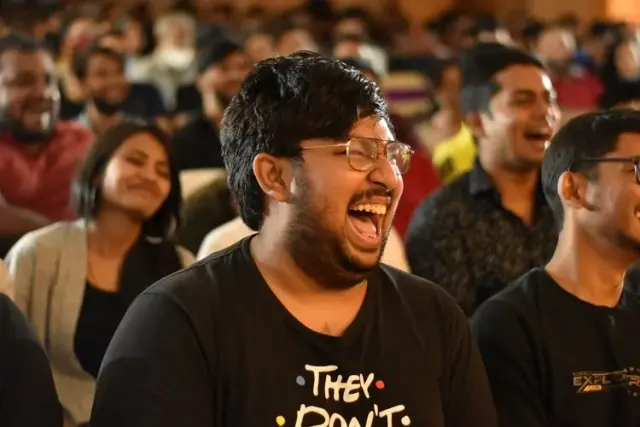
Maybe it was a company gala where the room suddenly erupted in laughter and applause at the exact same moment. Maybe it was a conference keynote that gave you chills. Maybe it was a product launch where the energy felt electric from the second you walked in.

Now think about the dozens of other events you’ve attended that blurred together and disappeared from memory almost instantly.

What made the difference?

It usually wasn’t the catering. It wasn’t the LED walls. And it definitely wasn’t the branded tote bag.

The difference was psychology. Attendee satisfaction is driven by thoughtful event design that pays attention to every detail, ensuring each element contributes to a cohesive and engaging experience.

The most unforgettable events are intentionally designed to trigger emotion, surprise, connection, and participation. The best brands in the world understand this deeply. They don’t just host events. They engineer memorable experiences that people emotionally attach themselves to, leaving a lasting impression.

That’s where event experience design comes in.

Today’s audiences are overloaded with information, notifications, ads, and distractions. Attention has become one of the rarest currencies in business. If an event wants to stand out, it has to create something emotionally immersive enough to break through the noise.

And that’s exactly why companies invest heavily in memorable live experiences, interactive entertainment, and audience engagement strategies.

Because people rarely remember information. They remember how you made them feel.

What Is Event Experience Design?

At its core, event experience design is the intentional creation of emotional moments during an event.

Instead of simply organizing logistics, experience design focuses on shaping:

  • Audience emotions

  • Human connection

  • Attention spans

  • Surprise moments

  • Participation

  • Storytelling

  • Sensory engagement

  • Memory retention

Effective event experience design relies on understanding several key elements, such as event goals, audience needs, and venue selection, to ensure every aspect aligns with the intended purpose and resonates with attendees.

In other words, it’s the difference between hosting an event and creating an experience people talk about for months afterward.

This concept is used everywhere:

  • Corporate conferences

  • Product launches

  • Trade shows

  • Leadership summits

  • Award galas

  • Brand activations

  • Team-building retreats

  • Executive dinners

  • Venue selection

The smartest companies understand something critical:

People associate the quality of an event with the quality of the brand behind it.

If an event feels stale, disconnected, or forgettable, attendees subconsciously transfer those feelings onto the company itself.

But when an event feels exciting, immersive, and emotionally engaging? That brand suddenly feels innovative, confident, and premium.

Event design specifically focuses on the creative vision that shapes attendee experience, distinguishing it from event planning and production.

The Brain Science Behind Memorable Events

Why do emotional experiences stick in our minds so much more than ordinary moments?

Because the brain prioritizes emotional memory.

Neuroscientists have found that emotionally charged experiences activate the amygdala, which helps strengthen memory formation. That means moments involving surprise, laughter, suspense, amazement, or connection are significantly more likely to be remembered later. Engaging multiple senses, such as sight, sound, scent, texture, and taste, through experiential event design can further enhance memory formation by creating immersive, multisensory environments.

This is why people still vividly remember:

  • Their favorite concert

  • A shocking magic moment

  • An inspiring speech

  • A hilarious interaction

  • An unexpected audience experience

Meanwhile, they instantly forget:

  • Slide deck #47

  • Generic networking mixers

  • Standard conference panels

  • Predictable presentations

The takeaway for brands is massive.

If your event doesn’t create emotional engagement, it’s fighting an uphill battle against human psychology itself.

That’s why modern event experience design has shifted away from passive observation and toward immersive participation, often leveraging experiential event design to fully engage attendees' senses.

People don’t want to sit through events anymore. They want to experience them.

A Story Every Event Planner Understands

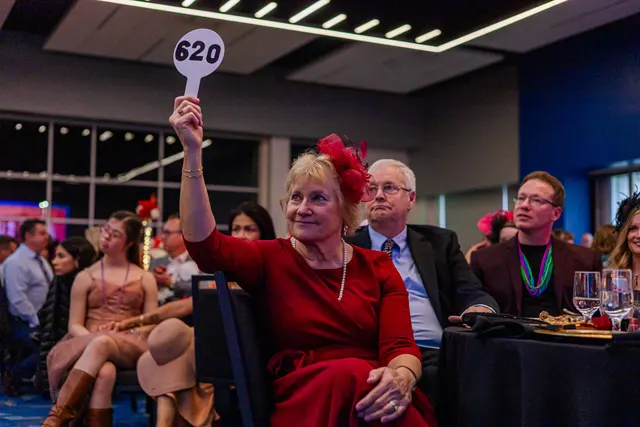
A few years ago, a company hosted a large corporate gala for clients and executives. Every detail was meticulously planned, and they invested heavily in production.

The ballroom looked incredible.

Massive screens.
Luxury decor.
Custom lighting.
High-end catering.

Everything appeared perfect on paper.

But halfway through the evening, attendees started checking their phones constantly. Conversations died down. Energy levels dropped. People mentally checked out.

Why?

Because nothing emotionally engaging was happening.

The event looked impressive, but it felt empty.

Then something changed.

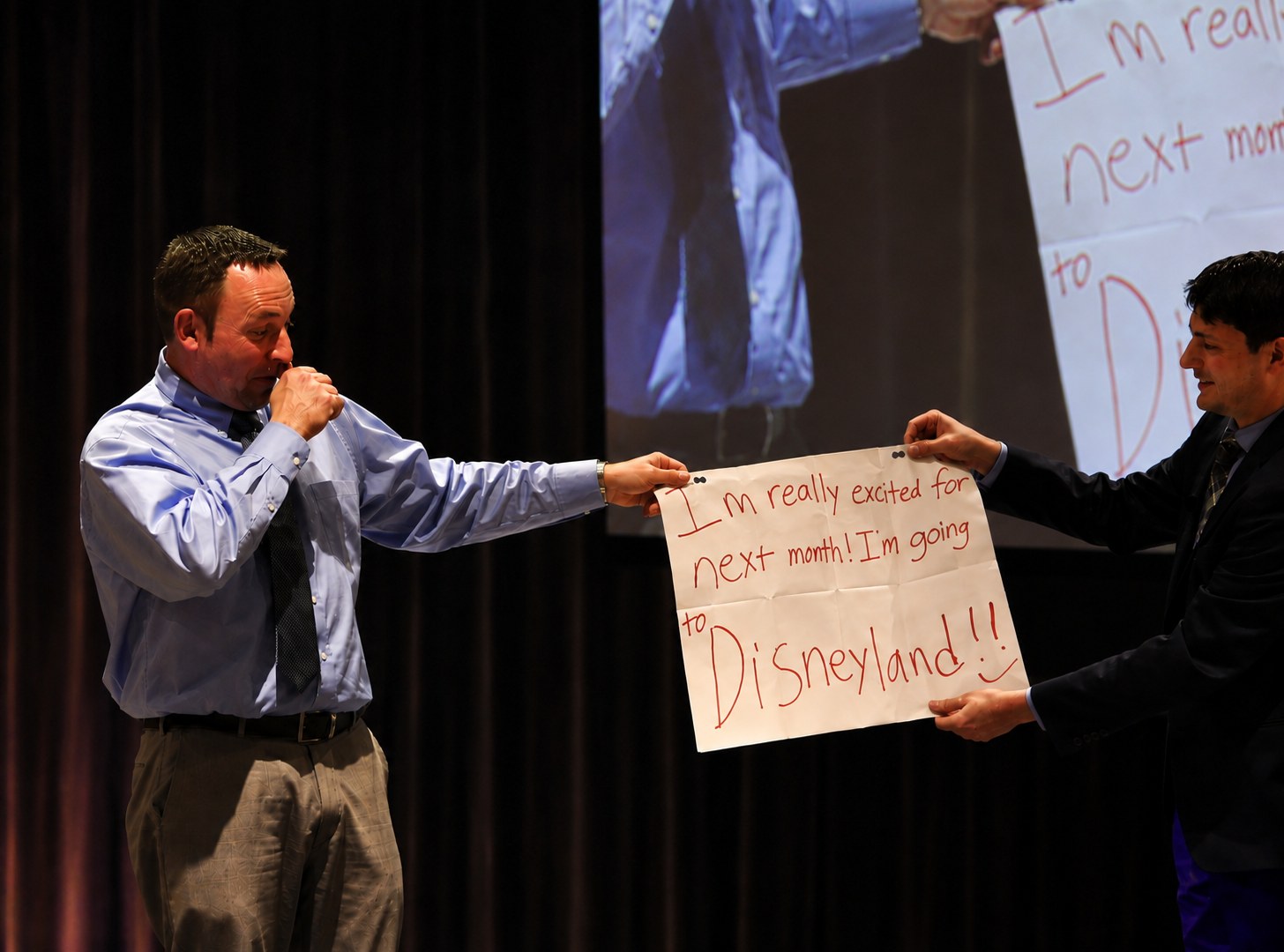
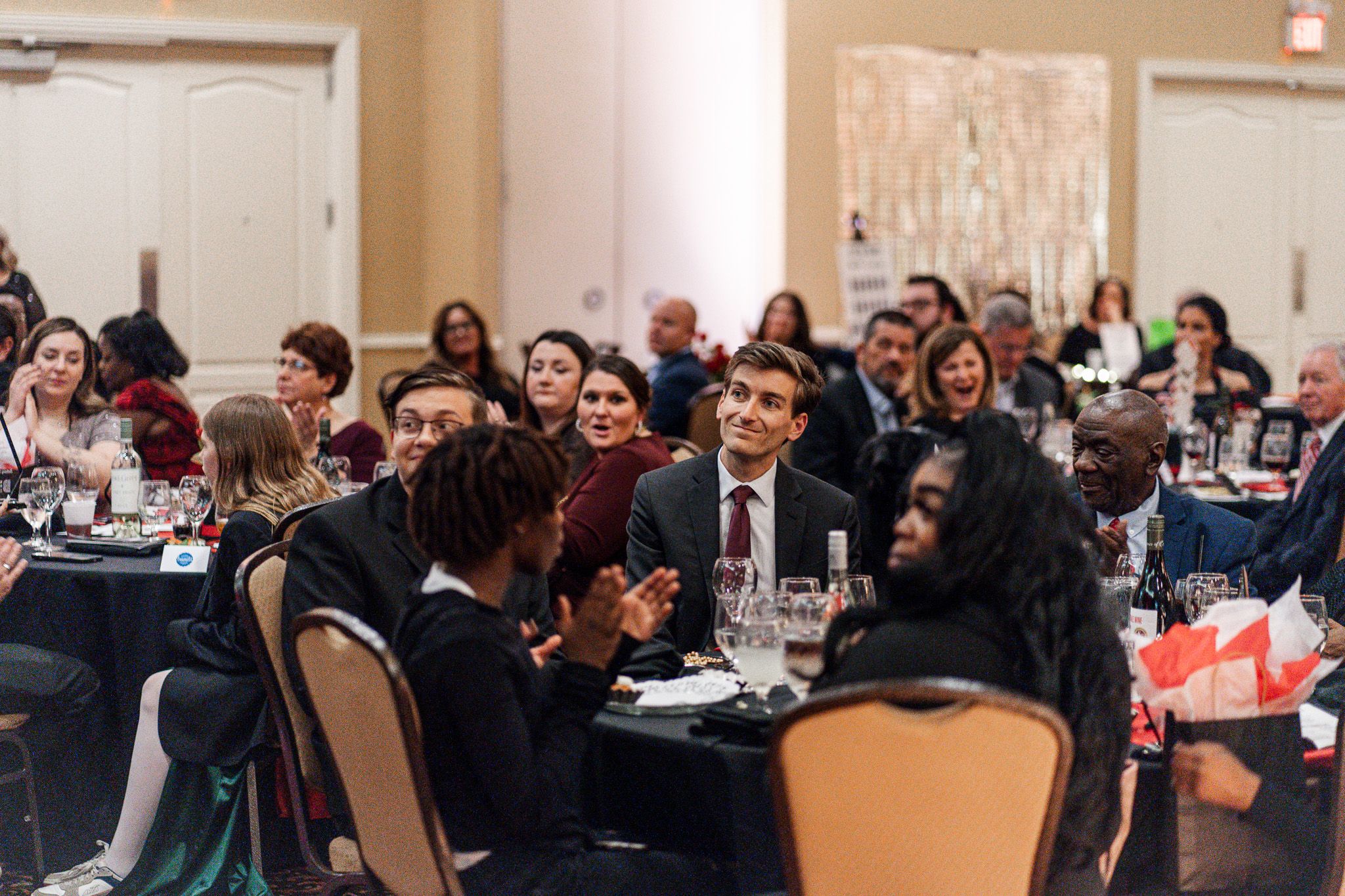
The organizers brought in live interactive entertainment designed specifically for corporate audiences. Attendee behavior and energy levels changed dramatically people leaned forward, laughed together, and executives who barely interacted before started talking enthusiastically at their tables.

The room transformed.

By the end of the night, attendees weren’t talking about the floral arrangements or appetizers.

They were talking about the experience.

That’s the power of emotional engagement in event experience design.

The moments people remember most are rarely the logistical elements.
They’re the moments that made them feel something unexpected.

Why Brands Invest Millions Into Emotional Event Marketing

There’s a reason major companies obsess over live experiences.

When event experience design is aligned with business objectives, it leads to greater success, delivering not only measurable outcomes like ROI and attendance, but also intangible results such as emotional impact, participant satisfaction, and meaningful connections.

Here’s what emotionally engaging events often improve:

1. Brand Recall

People remember experiences far longer than advertisements.

A memorable event creates emotional associations that stick to the brand itself.

2. Client Relationships

Shared emotional experiences accelerate trust and connection.

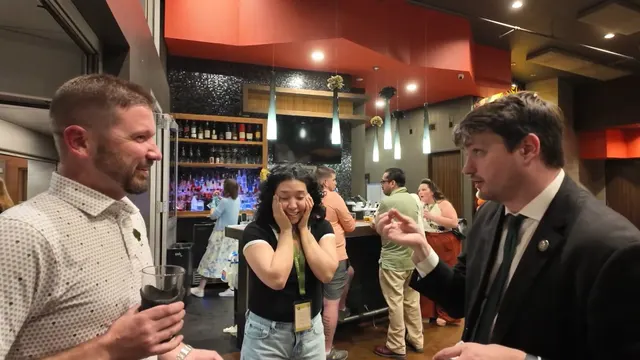
When clients laugh together, experience surprise together, or participate together, barriers drop quickly. Understanding and facilitating positive group dynamics during these moments can further strengthen client relationships, as effective management of group interactions enhances engagement and collaboration.

3. Employee Morale

Internal corporate events become dramatically more impactful when employees feel genuinely engaged rather than obligated to attend.

4. Social Media Sharing

People naturally share experiences that surprise or amaze them, especially when those moments are designed for social sharing.

No one posts: “Had a standard networking mixer tonight.”

But they absolutely post: “You won’t believe what happened at this event.”

5. Audience Attention

Attention is incredibly difficult to hold in live environments.

Managing the attendee journey is crucial for sustaining attention throughout the event, ensuring that each stage is intentionally designed to keep participants engaged.

Interactive experiences reset audience focus and re-energize rooms instantly.

The Four Psychological Triggers of an Unforgettable Attendee Journey

The best event experience design strategies usually rely on four core psychological triggers, which represent key areas of focus for creating immersive and impactful experiences.

1. Surprise

The brain loves novelty.

Unexpected moments instantly capture attention because humans are biologically wired to notice disruptions in patterns.

This is why surprise entertainment, unexpected reveals, and audience interaction work so well.

2. Emotional Connection

People remember moments tied to emotion.

Laughter.
Wonder.
Excitement.
Curiosity.

Emotions create anchors in memory.

3. Participation

Passive audiences disengage quickly.

Interactive experiences pull people mentally and emotionally into the moment.

The more personally involved attendees feel, the stronger the memory becomes.

4. Storytelling

Humans naturally organize memories through stories.

The best events don’t feel like random segments stitched together. They feel like a journey with momentum and payoff. Crafting a compelling narrative frames the event as a story, guiding attendees' feelings and engagement throughout the experience.

The Hidden Reason Most Corporate Events Fail

Here’s an uncomfortable truth:

Many corporate events are designed entirely around logistics instead of human psychology.

The planning conversation becomes:

  • Event planning: What’s the budget?

  • Where’s the venue?

  • What’s the schedule?

  • How many guests?

  • What’s the AV setup?

Those things matter, of course.

But none of them guarantee emotional engagement.

An event can be flawlessly organized and still completely forgettable.

That’s because audiences judge experiences emotionally, not operationally.

The best event planners understand this balance: Logistics create structure. Intentional design and thoughtful design choices in experience design create impact.

And when those two elements work together, something powerful happens.

Event design specifically focuses on the creative vision that shapes attendee experience, distinguishing it from event planning and production.

How Interactive Entertainment Changes Event Energy

One of the fastest ways to transform audience energy is through interactive entertainment.

Why?

Because it disrupts passive attention patterns.

Instead of attendees merely observing, they become psychologically involved in the experience.

This is especially effective in corporate environments where guests may initially feel reserved, distracted, or socially guarded.

Interactive entertainment helps:

  • Break social barriers

  • Create shared experiences

  • Increase audience energy

  • Encourage networking

  • Sustain attention

  • Build emotional memory

  • Craft a unique experience that stands out from typical events

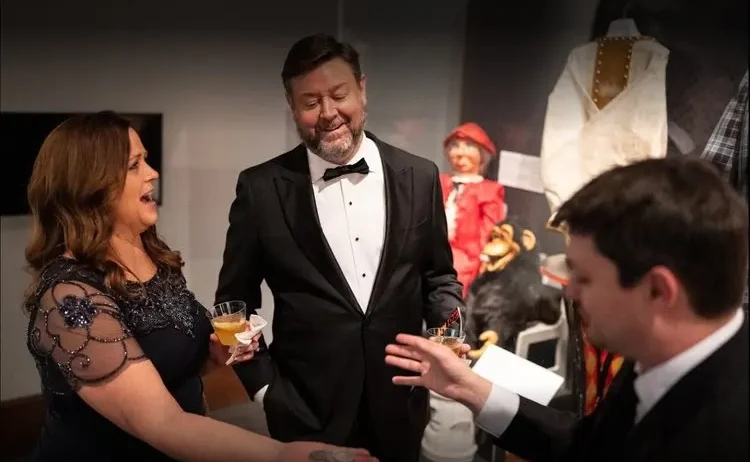
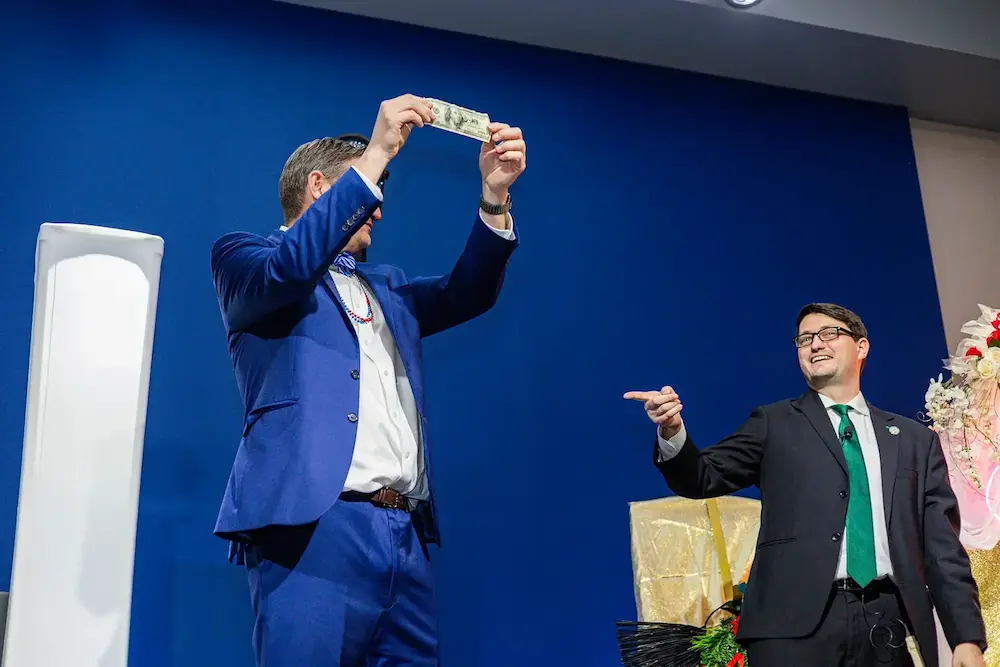
This is one reason corporate magicians have become increasingly popular in high-end events and galas.

A skilled corporate entertainer doesn’t just perform tricks. They create emotional moments tailored specifically for professional audiences.

When done correctly, it becomes part of the overall event experience design strategy rather than separate entertainment filler.

The Most Memorable Events Feel Personal

Have you ever noticed how some events feel oddly generic?

You could swap the company logo and barely notice a difference.

That’s because the experience wasn’t customized to the audience.

The strongest event experiences feel intentionally crafted for the people in the room. Focusing on the guest experience is key, thoughtful details and emotional engagement make events memorable and foster guest loyalty.

That personalization can happen through:

  • Customized presentations

  • Audience interaction

  • Tailored humor

  • Industry references

  • Branded storytelling

  • Shared insider moments

People become far more emotionally invested when they feel the experience was created specifically for them.

That’s where elite corporate entertainers often stand apart.

The best ones don’t deliver cookie-cutter performances. Experience designers play a crucial role in crafting personalized event experiences, integrating company culture, event messaging, and audience psychology directly into the experience.

FAQ: Event Experience Design and Memorable Corporate Events

What is event experience design?

Event experience design is the process of intentionally crafting emotional, interactive, and memorable moments throughout an event. While event design typically focuses on the visual and atmospheric elements, such as branding, lighting, and layout, to create a cohesive environment, event experience design goes further by shaping the attendee journey and emotional engagement. This approach aims to deliver an elevated experience that is sophisticated, impactful, and truly memorable for participants.

Why are emotional experiences more memorable?

Emotion strengthens memory formation in the brain. Experiences involving surprise, laughter, amazement, or participation are far more likely to be remembered long-term.

How can companies improve corporate event engagement?

Companies can improve engagement by incorporating:

  • Interactive entertainment

  • Audience participation

  • Storytelling

  • Immersive environments

  • Personalized experiences

  • Strategic pacing and energy shifts

Designing great events that are memorable and cohesive not only boosts engagement during the event but also fosters loyalty, motivating attendees to participate in future events.

Why is live entertainment effective at corporate events?

Live entertainment captures attention, creates emotional connection, and encourages shared audience experiences. It also helps reset energy during long conferences or formal galas. Additionally, offering signature drinks tailored to the event theme can further enhance the atmosphere and boost guest engagement.

What types of events benefit most from experience design?

Almost all live events benefit from experience design, especially:

  • Corporate conferences

  • Sales kickoffs

  • Award galas

  • Leadership retreats

  • Product launches

  • Trade shows

  • Client appreciation events

Consider applying experience design principles to your next event to create a memorable and cohesive experience for your attendees.

The Question Every Brand Should Ask Before Hosting an Event

Here’s the real question:

Will attendees remember this experience a week later?

Not the venue. Not the slideshow. Not the name badges.

The experience.

To truly stand out, it’s essential to design a cohesive experience across the entire event, ensuring consistency in elements like color palette and branding at every touchpoint. Every detail should reflect the desired vibe, as this unified approach significantly enhances memorability.

Because in today’s attention economy, forgettable events are expensive.

Memorable events, on the other hand, become relationship accelerators. They strengthen brand perception. They create conversations. They increase loyalty. They generate emotional association.

And ultimately, they help companies stand out in crowded industries where differentiation is increasingly difficult.

Why Human Connection Matters More Than Ever

Ironically, as the world becomes more digital, live human experiences become more valuable.

People crave genuine connection.
Shared reactions.
Collective moments.
Unexpected interactions.

That’s why live events still matter so much despite endless virtual alternatives.

A great event reminds people what it feels like to be fully present.

And when brands successfully create those moments, they stop feeling like corporations and start feeling human.

That emotional shift is incredibly powerful.

It’s also exactly why strategic event experience design has become one of the most important investments in modern corporate events.


Final Thoughts: Memorable Events Don’t Happen By Accident

The best events are never accidental.

Behind every unforgettable experience is intentional psychological design:

  • Attention management

  • Emotional pacing

  • Interactive engagement

  • Surprise

  • Storytelling

  • Human connection

The brands that understand this create events people genuinely remember.

Not because they spent the most money. But because they understood the audience, and took the time to explore audience motivations and insights to inform every design choice.

And in the end, that’s what memorable events are really about: Making people feel something meaningful together.

event experience design

Looking to Create an Unforgettable Corporate Event?

If you’re planning a corporate gala, conference, leadership summit, or client event and want an experience your attendees will actually remember, connect with Josh Weidner.

Josh specializes in high-impact corporate entertainment designed specifically for business audiences, helping brands create engaging, interactive experiences tailored to your target audience, ensuring your event resonates and leaves a lasting impression long after it ends.

Next
Next

Upscale Event Ideas: What Makes an Event “Premium”? A Behind-the-Scenes Breakdown