Why Engaging Event Entertainment Works Better Than Passive Entertainment at Corporate Events
There is a moment at almost every corporate event when the room quietly tells the truth.
It usually happens after the drinks are poured, the welcome remarks are done, and the schedule shifts from formal to social. You can feel it almost instantly. Some guests lean in, laugh, and connect. Others glance at their phones, drift toward the exits, or stay locked inside the same safe conversations with people they already know.
That moment matters.
Because no matter how beautiful the venue is, how polished the branding looks, or how carefully the timeline was planned, the real success of a corporate event comes down to one thing: engagement.
Were guests actually involved? Did they connect with one another? Did the event create energy in the room? Did people leave feeling like they experienced something memorable?
That is exactly why interactive corporate entertainment so often outperforms passive entertainment at business events. Passive entertainment may fill time. Interactive entertainment is about creating moments by designing a memorable experience for attendees. It turns attendees from observers into participants, and that shift can transform the entire event. This approach ensures guests leave with a memorable experience that stands out long after the event ends.
If you are planning a gala, client appreciation night, conference, awards banquet, networking mixer, or company celebration, this is one of the most important entertainment decisions you can make.
So what really makes interactive entertainment more effective than passive entertainment at corporate events? And how do you know which type is right for your audience?
Let’s break it down.
Introduction to Corporate Events
Corporate events are more than just dates on a company calendar. They’re powerful opportunities to build relationships, foster collaboration, and drive business growth. Whether it’s a high-profile conference, a lively client appreciation event, an inspiring award ceremony, or a team-building retreat, these gatherings are essential for strengthening company culture and achieving strategic goals.
One of the most critical factors in making these events successful is choosing the right corporate event entertainment. The best corporate event entertainment ideas go beyond simply filling time; they engage attendees, spark conversation, and create memorable moments that leave a lasting impression. From live music that energizes the room to interactive game shows that encourage attendees to participate, the right entertainment can transform a standard event into an unforgettable experience. Event planners are increasingly seeking out unique conference entertainment ideas and interactive activities that not only entertain guests but also encourage networking and active engagement. By prioritizing event entertainment ideas that invite participation, companies can ensure their events stand out and deliver real value to everyone involved.
The Big Difference Between Interactive Corporate Entertainment and Passive Entertainment
At a basic level, the difference is simple.
Passive entertainment is something guests watch. Interactive entertainment is something guests experience.
A live band playing in the corner can be entertaining, but guests mostly receive it from a distance. A speaker on stage may be impressive, but the audience’s role is still largely to sit, listen, and observe. Even a well-produced act can become background noise if it does not actively draw people in.
By contrast, interactive corporate entertainment invites participation, conversation, surprise, and shared moments. It makes the audience feel included instead of simply addressed. Interactive entertainment encourages conversation among attendees, helping to facilitate social interaction and make the event more engaging.
This does not mean every guest has to be dragged on stage or put on the spot. In fact, the best interactive entertainment for corporate events is often subtle, elegant, and low-pressure. It creates involvement without discomfort. It gives guests something to react to, talk about, and remember.
That is the key.
People remember what they experience far more than what they merely watch.
A Quick Story About a Room That Changed in 20 Minutes
At one corporate reception, the event planner had one specific concern before guests even arrived: “I know they all work in the same broader industry, but most of them do not know each other. I’m worried people will stay in their little groups all night.”
It was a valid concern.
The guest list included clients, executives, partners, and team members from different departments. On paper, it was a great crowd. But anyone who has planned business events knows that a strong guest list does not automatically create strong interaction.
At the start of the evening, the room felt exactly as expected. Polite. Reserved. A little fragmented.
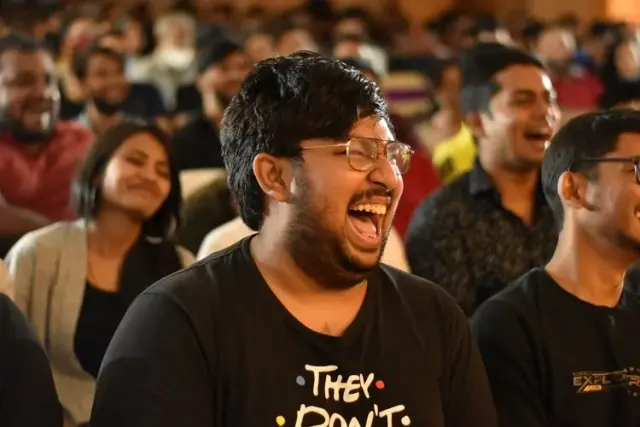
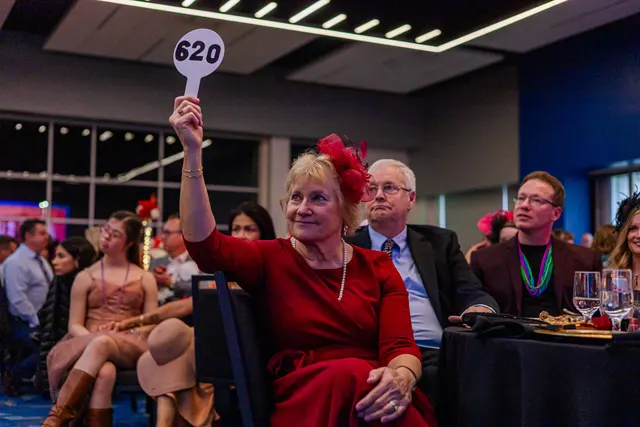
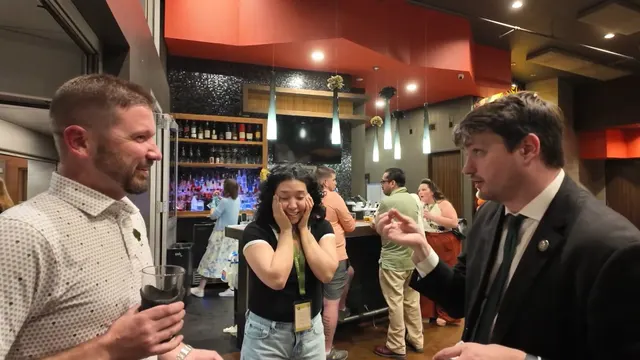
Then the entertainment began, not with a loud announcement or a hard stop in the schedule, but with interactive moments happening naturally among small groups. Laughter spread. Guests started pulling others into conversations. People who had been standing quietly at cocktail tables suddenly had something in common to react to. Within minutes, the room felt warmer, more social, and more alive. The event attendees were fully engaged, with the entertainment drawing everyone into the experience and encouraging active participation.
That shift did not happen because guests were sitting back and consuming entertainment from afar.
It happened because they became part of it.
That is what engaging event entertainment can do. It does not just perform in the room. It changes the room.
Why Engaging Event Entertainment Creates Stronger Results
Corporate events are not only about logistics. They are about outcomes.
You may want guests to network more naturally. You may want clients to feel valued. You may want employees to celebrate together. You may want attendees at a conference to stay energized after a long afternoon of meetings.
In each of those cases, engagement is not a bonus. It is part of the goal.
Here is why interactive entertainment tends to deliver better results than passive entertainment:
It keeps energy from dipping
Interactive entertainment is effective at keeping attendees engaged throughout the event. Activities that require participation, such as games or challenges, help maintain attention and prevent energy from dropping, even during slower periods.
It supports networking
Interactive entertainment provides a fun way for guests to connect and break the ice. These activities encourage conversation and collaboration, making it easier for attendees to build relationships.
It breaks the ice faster
One of the hardest parts of any corporate event is getting people comfortable. Interactive entertainment gives guests an easy entry point into conversation.
It creates shared experiences
When attendees go through a surprising, funny, or memorable moment together, they immediately have something to talk about afterward.
It keeps energy from dipping
Passive entertainment can sometimes fade into the background. Interactive entertainment keeps attention active and dynamic.
It makes the event feel more personal
Guests are not just watching something happen. They are involved in what is happening.
It increases memorability
People are far more likely to remember an event where they felt engaged than one where they sat through a generic performance.
It supports networking
For business events, this is huge. Interactive entertainment often acts as a social bridge between strangers.
It feels modern and intentional
Today’s corporate audiences tend to respond well to experiences over passive programming. They want events to feel immersive, not stale.
That is why planners looking for stronger guest engagement increasingly prioritize interactive corporate entertainment over more traditional, passive options.
Why Passive Entertainment Sometimes Falls Flat at Corporate Events
Passive entertainment is not automatically bad. It can absolutely have a place, especially when the event schedule calls for a focused performance moment. But it has limitations, particularly in corporate environments where connection and flow matter.
The biggest challenge with passive entertainment is that it often asks the audience to do very little. And when guests are tired, distracted, socially cautious, or mentally still in work mode, doing very little is exactly what they will do. Passive entertainment typically fails to encourage guests to participate actively, such as sharing photos or engaging with event content.
They may watch politely. They may clap. But they may not truly connect.
Here are a few common ways passive entertainment can underperform:
It competes with networking instead of supporting it
It can make guests feel like spectators rather than participants
It may struggle to hold attention in noisy or mixed-use environments
It rarely creates natural conversation among attendees afterward
It can feel generic if it is not tailored to the event
Have you ever been at an event where the entertainment was technically good, but somehow the room still felt flat?
That is often the difference between performance and participation.
Where Interactive Corporate Entertainment Works Best
One of the reasons engaging event entertainment performs so well is its flexibility. It can fit a wide range of corporate event formats, such as award ceremonies, company parties, team building events, conferences, and product launches, without disrupting the event flow.
Interactive entertainment is also highly effective for hybrid events and can be adapted for multiple events, maximizing value and engagement across different formats.
Popular interactive entertainment options include game shows, trivia, and live bands. Activities like escape room challenges and cocktail sessions, featuring mixology demonstrations and themed drink tastings, are also highly engaging and can be tailored to suit your audience.
For team building, activities such as escape rooms are excellent for fostering collaboration and enhancing problem-solving skills in a fun, interactive environment.
When booking a live band, be sure to provide an adequate dance floor to encourage guests to participate and create a lively atmosphere.
It's important to consider your company's corporate culture when selecting entertainment options, ensuring they align with your organizational values and event goals.
Finally, review feedback and outcomes from past events to identify what worked well and what can be improved, helping you plan an even more engaging experience for your next event.
Cocktail receptions
This is one of the strongest settings for interactive entertainment. Guests are already mingling, and interactive moments can help conversations start naturally.
Networking events
If the goal is helping people connect, few things work better than entertainment that gives strangers an immediate shared experience.
Awards banquets and galas
Interactive entertainment can add sophistication and excitement, especially when woven thoughtfully into the schedule rather than dropped in awkwardly.
Conferences and meetings
Long sessions can drain energy fast. Interactive entertainment can reset attention and re-engage attendees between formal segments.
Trade shows
Entertainment that draws people in and gives them a reason to stop is incredibly valuable in high-traffic, attention-competitive environments.
Client appreciation events
Interactive experiences feel personal and memorable, which helps leave a stronger impression on guests the company wants to nurture.
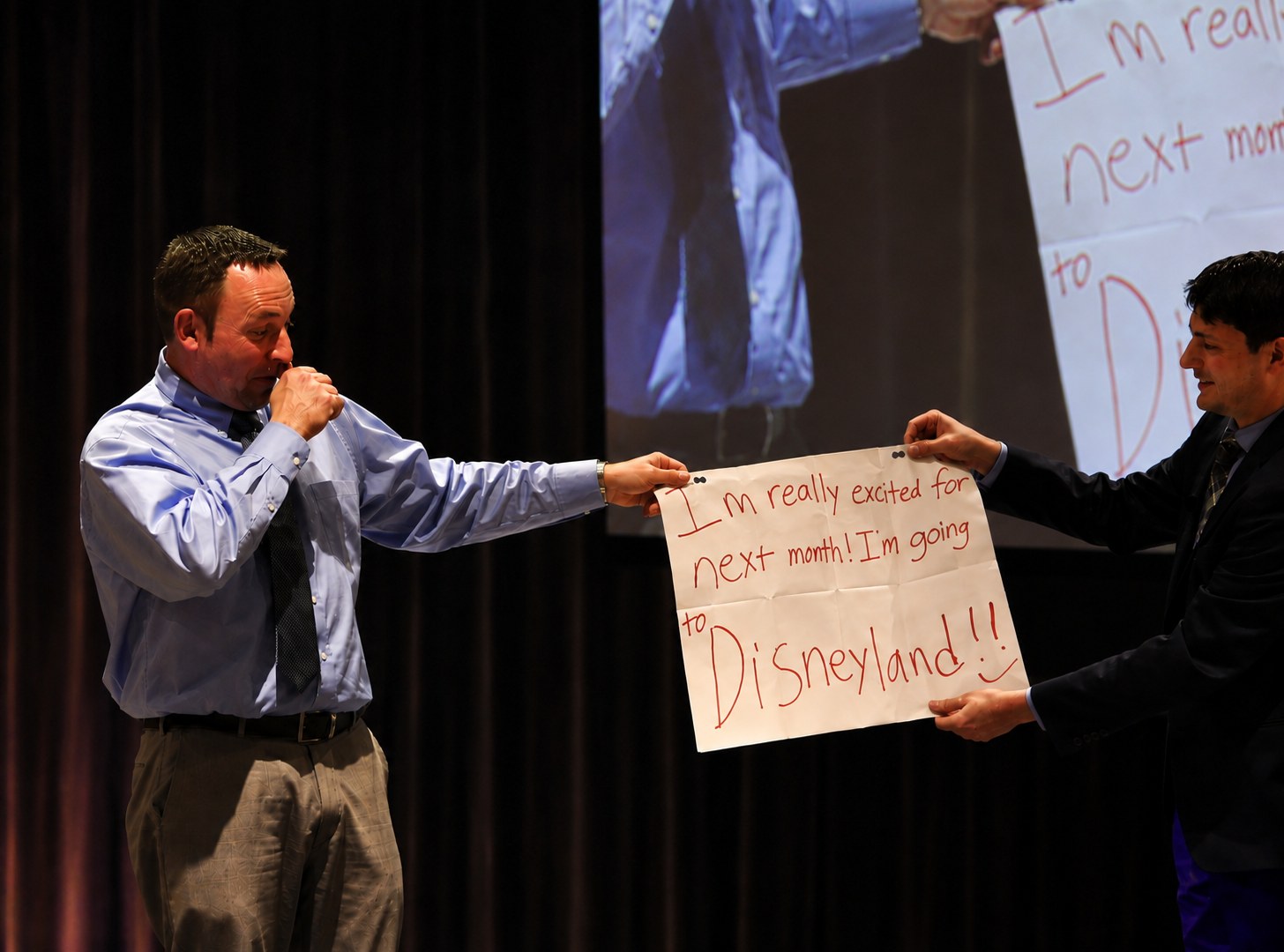
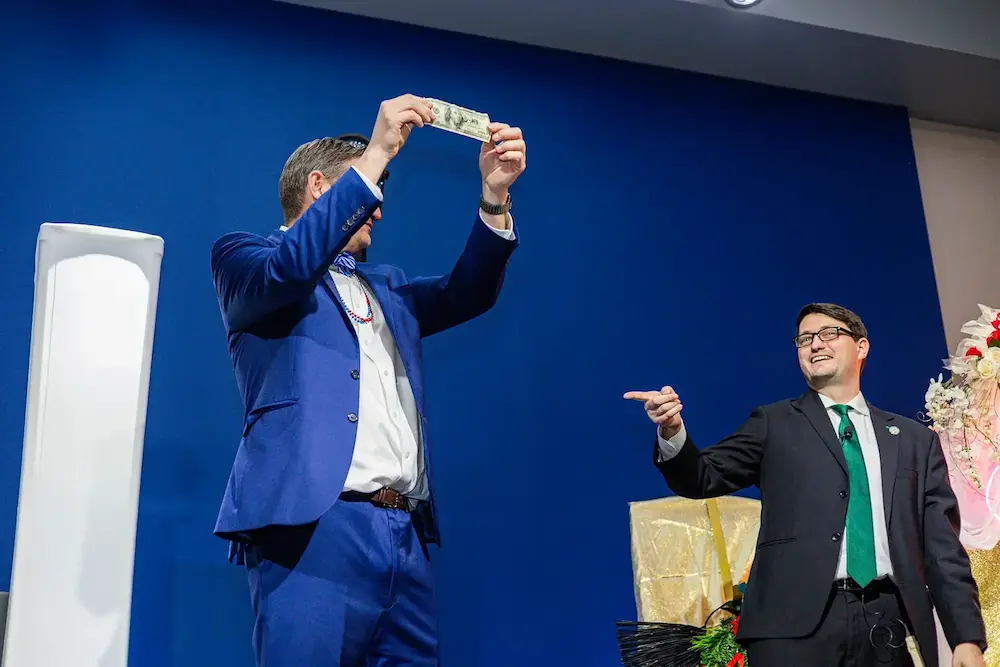
This is one reason a corporate magician is often such a strong fit. Magic naturally invites curiosity, reaction, and conversation. It works in close-up settings, larger group settings, and formal event environments without feeling forced.
Event Entertainment Strategies for Corporate Events
Crafting an effective entertainment strategy is key to making your corporate event truly memorable. The most successful event planners start by aligning entertainment ideas with the overall event theme and the specific goals of the gathering. It’s important to consider the diverse interests and backgrounds of your attendees, ensuring there’s something for everyone to enjoy and participate in.
Incorporating interactive elements is a proven way to boost engagement and create a lively atmosphere. Photo booths, for example, not only provide a fun activity but also serve as conversation starters and generate shareable content for social media walls. Augmented reality experiences and interactive art installations can immerse guests in the event, encouraging exploration and collaboration. Live music adds energy and helps set the tone, while interactive game shows invite audience participation and friendly competition.
When choosing entertainment, event planners should also think about how to integrate technology to enhance the experience. Social media walls can display real-time posts and photos, encouraging guests to share their experiences and connect online. By thoughtfully combining these interactive elements, you can create an event that keeps attendees engaged from start to finish and ensures your corporate event entertainment stands out.
What Makes Interactive Entertainment Feel Professional Instead of Gimmicky?
This is a fair concern, especially in the corporate world.
Some event planners hear the word “interactive” and worry it means cheesy games, forced audience participation, or awkward moments that make guests uncomfortable. But that is not what quality engaging event entertainment looks like.
Professional interactive entertainment should feel:
Polished
Audience-Aware
Low-Pressure
Smooth within the event flow
Appropriate for a business setting
Tailored to the tone of the event
The best performers know how to read a room. They understand when to energize, when to be subtle, when to gather attention, and when to support the event without overtaking it.
That difference matters.
Interactive does not mean chaotic. It means connected.
Why a Corporate Magician Often Delivers the Best of Both Worlds
A corporate magician can offer something unique that many other entertainment options cannot: the ability to be both interactive and highly professional at the same time.
Magic works especially well in corporate settings because it is built around reaction. It sparks curiosity. It invites attention. It naturally creates clusters of people, shared laughter, and follow-up conversation. And when performed by someone who understands business audiences, it can feel sophisticated, modern, and completely appropriate for executive-level environments.
It is also versatile.
A corporate magician can perform:
Close-up during cocktail hour
Table-side during dinner
As a featured segment during a gala
At trade show booths to attract and hold attention
In conference settings where energy needs a boost
That versatility makes it easier for planners to fit entertainment into the event rather than rebuild the event around the entertainment.
For companies that want memorable interactive corporate entertainment without sacrificing professionalism, that is a major advantage.
How to Decide Whether Interactive or Passive Entertainment Is Right for Your Event
A simple way to decide is to ask what your event needs most.
If the event needs guests to connect, mingle, loosen up, stay energized, or remember the experience afterward, interactive entertainment is usually the stronger choice.
If the event needs a single focused performance moment where the audience is meant to sit, watch, and applaud, passive entertainment may fit better.
In many cases, though, the strongest solution is entertainment that has interactive qualities while still feeling refined and event-appropriate.
Ask yourself:
Do I want guests to talk more with each other?
Do I need to lift the energy in the room?
Do I want the entertainment to support networking?
Do I want people to remember the event after it ends?
Do I need something flexible that can adapt to different moments of the schedule?
If the answer is yes to most of those, interactive corporate entertainment is likely the smarter direction.
Planning the Next Corporate Event: Key Considerations
When organizing your next corporate event, thoughtful planning is essential to ensure a seamless and impactful experience. Start by clearly defining the event’s objectives. Whether it’s team building, celebrating achievements, or fostering client relationships, select entertainment that supports these goals. For example, if collaboration is a priority, consider interactive game shows, escape rooms, or collaborative workshops that get everyone involved and working together.
The event space itself plays a crucial role in shaping the experience. Think creatively about how to utilize the entire venue to immerse guests in the event theme, from décor to interactive installations that reflect your company’s culture. For hybrid or virtual events, leveraging technology like virtual reality can bridge the gap for remote attendees, offering them engaging ways to participate alongside in-person guests.
Audience engagement should remain at the forefront of every decision. By incorporating interactive games, hands-on activities, and opportunities for active participation, you’ll ensure that every attendee, whether in person or remote, feels included and energized throughout the event. These considerations will help you create a dynamic, memorable event that achieves your objectives and leaves a lasting impression.
Best Practices for Interactive Corporate Entertainment
To make the most of interactive corporate entertainment, it’s important to focus on experiences that actively encourage attendees to participate and connect. Start by selecting entertainment ideas that resonate with your audience and align with the event’s theme and objectives. Offering a mix of high-energy activities, such as interactive games or team challenges, alongside more relaxed options like elegant dinners or networking lounges, ensures that all guests feel comfortable and engaged.
Inclusivity is key. Choose entertainment that appeals to a wide range of interests and backgrounds, so everyone has the opportunity to join in. Incorporating technology, such as social media walls or live polls, can further enhance audience participation and keep guests engaged throughout the event. These tools not only foster real-time interaction but also create memorable moments that attendees will talk about long after the event ends.
By prioritizing interactivity and engagement, corporate events become more than just gatherings. They become experiences that strengthen relationships, encourage conversation, and leave a lasting impression on everyone involved.
Measuring Success: How to Know Your Entertainment Made an Impact
Evaluating the effectiveness of your corporate event entertainment is essential for continuous improvement and future planning. One of the most valuable tools is direct attendee feedback—use surveys or focus groups to gather insights on what guests enjoyed most and where there’s room for improvement. Pay close attention to comments about audience participation and which entertainment elements stood out.
Social media engagement is another powerful metric. Monitor the use of your event hashtag and track posts, photos, and interactions related to the event entertainment. High levels of online activity often indicate that guests were genuinely engaged and eager to share their experiences.
Event organizers should also observe participation levels during the event itself. Are guests actively involved in interactive activities? Is there a buzz of conversation and excitement around the entertainment? These qualitative observations, combined with quantitative data, provide a comprehensive picture of your event’s impact.
By analyzing these results, event planners can refine their entertainment strategies, ensuring that each corporate event is more engaging, memorable, and effective than the last.
FAQ: Interactive Corporate Entertainment for Business Events
What is interactive corporate entertainment?
Interactive corporate entertainment involves entertainment that actively engages guests rather than asking them to simply sit back and watch. It can include close-up magic, mentalism, immersive performers, and other experiences that invite participation and reaction.
Why is engaging event entertainment better for networking?
Because it creates natural conversation starters. Instead of forcing guests to make small talk from scratch, it gives them a shared experience they can immediately react to and discuss.
Is passive entertainment ever a good option for corporate events?
Yes. Passive entertainment can work well for certain moments, especially if the event calls for a formal featured performance. It is just often less effective when the goal is guest engagement and interaction.
Will interactive entertainment put people on the spot?
Not if it is done well. Professional performers know how to engage guests in ways that feel comfortable, natural, and appropriate for the setting.
Why is a corporate magician a strong option for events and galas?
A corporate magician can combine professionalism, flexibility, and guest engagement in a way that fits a wide range of corporate environments. It is one of the most effective forms of interactive entertainment for creating memorable shared experiences.
The Real Question Event Planners Should Be Asking
When planners search for entertainment, they often ask, “What would be fun?”
That is a good question, but it is not the best one.
A better question is: What kind of entertainment will make this event work better?
That shift changes everything.
Because the right entertainment should not just fill a slot on the schedule. It should help the event feel smoother, more connected, more memorable, and more alive. It should support your goals, reflect your brand well, and make guests glad they came.
This is where engaging event entertainment has such an advantage. It does not just happen in front of the audience. It happens with the audience.
And that is why it leaves a stronger mark.
Final Thoughts: Interaction Is What Turns a Good Event Into a Great One
At corporate events, attention is limited. Guests are often balancing work mode, social mode, and travel fatigue all at once. That means entertainment has to do more than be impressive from a distance.
It has to create a real connection.
That is why interactive entertainment so often outperforms passive entertainment in business settings. It helps people engage, participate, connect, and remember. It creates movement in the room, not just noise in the background. It turns a crowd into an experience.
If your goal is to create a corporate event people genuinely talk about afterward, interactive entertainment is usually the smarter choice.
And when that entertainment is polished, professional, and tailored for a business audience, the impact is even stronger.
Need a Corporate Magician for Events & Galas?
Josh Weidner is a nationally touring professional magician who specializes in polished, memorable, and interactive entertainment for business audiences. If you are planning a company event, gala, conference, awards banquet, or client appreciation event and want entertainment that actually engages your guests, connect with Josh Weidner to see if he is the right fit for your event.